

🏙️ مقدمة: جلد المدينة
في المدن، قد ترى غالباً مبانٍ ذات أسطح لامعة تشبه المرآة تعكس السماء. يُعرف هذا النوع من "الواجهات" تقنياً باسم نظام الجدران الستائرية.

بالنسبة للمهندسين المعماريين والمطورين ومديري المشاريع، لا يقتصر فهم تعريف الجدران الستائرية وتفاصيلها الدقيقة على الجانب الجمالي فحسب، بل يتعلق بإتقان حماية المبنى من العوامل الجوية. سواء كنت تصمم فندقًا شاهقًا أو مجمعًا تجاريًا، فإن اختيار حلول غلاف المبنى سيحدد مدى استدامة مشروعك وكفاءته في استهلاك الطاقة وتكلفته.
في هذا الدليل الشامل، سنتجاوز التعريفات النظرية. سنجمع بين 17 عامًا من الخبرة العملية في المصانع وأحدث بيانات السوق لمساعدتك على فهم عالم الجدران الستائرية المعقد، بدءًا من ما هي أنظمة الجدران الستائرية؟ لاختيار الخيار الصحيح مصنع واجهات زجاجية في الصين.
🏗️ ما هو الجدار الستائري في مجال البناء؟
نظام الجدران الستائرية عبارة عن غطاء خارجي غير إنشائي للمبنى، يُصنع عادةً من قطاعات ألومنيوم خفيفة الوزن وزجاج، مصمم لحماية الداخل من عوامل الطقس كالأمطار والرياح. ولأنه غير إنشائي، فإنه يتحمل فقط وزنه الذاتي وينقل أحمال الرياح إلى هيكل المبنى الرئيسي، مما يوفر مظهرًا عصريًا وكفاءة حرارية فائقة.
على عكس الجدار الحامل، لا يتحمل الجدار الستائري أحمال الأرضية أو السقف للمبنى. إنه يعمل كمرشح، يتحكم في تدفق الهواء والماء والحرارة.
🏭 تجربة المصنع: إعادة تعريف النظام
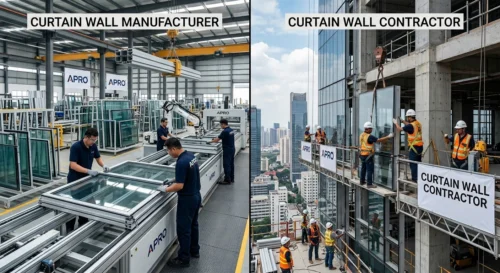
“"في مصنعنا، ركزنا على أبواب ونوافذ وأنظمة الجدران الستائرية المصنوعة من سبائك الألومنيوم لأكثر من 17 عامًا. من بثق القطاعات ومعالجة الأسطح إلى اختبار النظام، يتم إنجاز كل شيء على خطوط الإنتاج الخاصة بنا.".

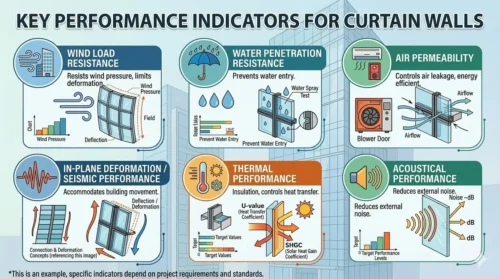
لقد علمتنا هذه التجربة العملية أن الجدار الستائري ليس مجرد واجهة، بل هو عنصر حيوي في المبنى. عندما يسألنا العملاء "ما هو الجدار الستائري؟"، لا نكتفي بعرض رسم توضيحي، بل نشرحه من منظور نظامي شامل، مع مراعاة السلامة الإنشائية، ومسارات تصريف المياه، والعزل الحراري، والعزل الصوتي.‘
🧩 ما هي مكونات الجدار الستائري؟
لفهم كيفية عمل واجهة الجدار الستائري، يجب علينا تحليلها. النظام عالي الأداء عبارة عن مجموعة من الأجزاء المصممة بدقة والتي تعمل بتناغم.
1. الهيكل: قطاع جدار ستائري من الألومنيوم
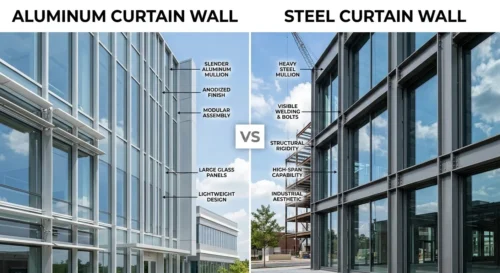
يُصنع الإطار عادةً من الألومنيوم المبثوق. لماذا الألومنيوم؟ لأنه يتميز بنسبة قوة إلى وزن استثنائية. ولتلبية معايير الطاقة الحديثة، يُعدّ استخدام جدار ستائري عازل للحرارة أمرًا ضروريًا. يتضمن ذلك وضع قضيب من البولي أميد بين قطاعات الألومنيوم الداخلية والخارجية لمنع انتقال الحرارة.
2. الدرع: التزجيج والحشو
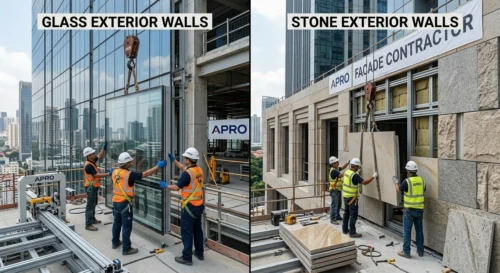
في حين أن تفاصيل الجدران الستائرية الزجاجية هي الأكثر شيوعًا (باستخدام وحدات زجاجية مزدوجة أو ثلاثية العزل)، يمكن أن تكون الحشوات أيضًا عبارة عن ألواح مركبة معدنية أو حجر أو مصاريع.
3. العضلات: نقاط الارتكاز والوصلات
هؤلاء هم الأبطال المجهولون. تعمل مثبتات فولاذية على ربط نظام الجدار الستائري بألواح الخرسانة في المبنى، مما يسمح بالتمدد الحراري والحركة دون تشقق الزجاج.
4. مانع التسرب: عناصر العزل المائي
يشمل ذلك الحشيات، والمواد المانعة للتسرب، وقضبان الدعم. يُعدّ عزل الجدران الستائرية ضد الماء وسيلة الحماية الأساسية من تسرب مياه الأمطار.
🏭 تجربة المصنع: قاعدة "التجربة أولاً"
“"لدينا في مصنعنا بروتوكول صارم: قبل الإنتاج الضخم، نقوم ببناء جميع المكونات الرئيسية بشكل واقعي - الإطارات، والموصلات، والمواد المانعة للتسرب، وفتحات التصريف، ومواد العزل، وقضبان الدعم - في نموذج مرئي (VMU) أو نموذج أداء (PMU) بمقياس 1:1.".
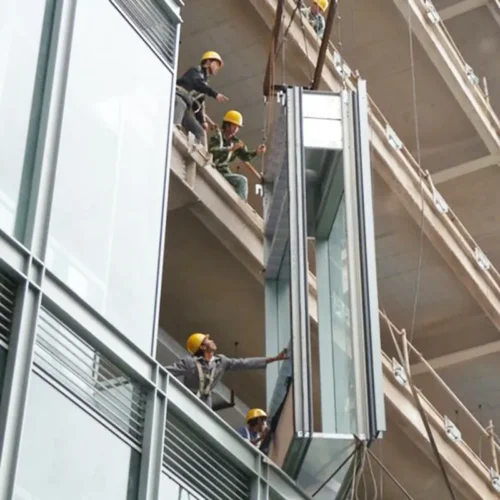
ندعو المالك والمستشارين لمعاينة المشروع ميدانياً. نختبر عملية تركيب الجدران الستائرية على أرض الواقع. هذه العملية التي تعتمد على العينات أولاً تقلل بشكل كبير من مخاطر التسرب والتشوه أثناء مراحل البناء اللاحقة.‘
⚖️ ما هي مزايا وعيوب الجدران الستائرية؟
هل نظام الجدران الستائرية مناسب لمشروعك؟ فيما يلي مقارنة سريعة لمساعدتك في تقييم المفاضلات.
| ميزة | المزايا | العيوب |
|---|---|---|
| الجماليات | مظهر عصري وأنيق مع إضاءة طبيعية. | مشاكل الوهج إذا لم يتم اختيار الزجاج بشكل صحيح. |
| بناء | خفيف الوزن، مما يقلل الحمل على الأساس. | يتطلب صيانة دورية (فحص مواد منع التسرب). |
| أداء | مقاومة ممتازة للماء والرياح. | تكلفة التركيب الأولية أعلى من الجدران القياسية. |
📊 رؤى السوق
وفقًا لتقرير "حجم سوق الجدران الستائرية وتوقعاته للفترة 2025-2034" الصادر عن مؤسسة أبحاث السوق الدولية بحث الأسبقية, بلغ حجم سوق الجدران الستائرية العالمية حوالي 1 تريليون دولار أمريكي و51 مليار دولار أمريكي في عام 2024، ومن المتوقع أن يتضاعف تقريبًا بحلول عام 2034.
ويشير التقرير إلى أن أنظمة الجدران الستائرية الموحدة شكلت أكثر من 60% من الإيرادات، مما يدل على أن الجدران الستائرية عالية الأداء قد تحولت من "خيار خاص" إلى حل رئيسي للواجهات.
🏙️ ما هي أنواع الجدران الستائرية المتوفرة؟
يُعدّ اختيار الواجهة المناسبة عملية توازن بين الرؤية الجمالية والمتطلبات الإنشائية وقيود الميزانية. وبناءً على أساليب التصنيع والمظهر البصري، إليكم الأنظمة الأساسية التي تُشكّل ملامح أفق المدن الحديثة.
📋 أفضل 5 أنواع من أنظمة الجدران الستائرية
- جدار ستائري موحد: ألواح مجمعة في المصنع لتركيب سريع في المباني الشاهقة.
- جدار ستائري على شكل شبكة عنكبوت: زجاج بدون إطار مع نقاط تثبيت لتحقيق أقصى قدر من الشفافية.
- جدار ستائري بإطار مرئي: أنظمة تقليدية ذات أغطية ألومنيوم مكشوفة للحصول على مظهر جمالي خطي.
- حائط ستارة بإطار مخفي: زجاج هيكلي بدون معدن خارجي مرئي، مما يخلق غلافًا زجاجيًا سلسًا.
- جدار ستائري خارجي ذو فتحات تهوية: أنظمة تظليل متكاملة لتحسين كفاءة الطاقة.
1. نظام الجدران الستائرية الموحدة
يُعد هذا الخيار الأكثر شيوعاً لناطحات السحاب. على عكس الطرق التقليدية، يتكون نظام الجدار الستائري الموحد من ألواح كبيرة مُجمّعة مسبقاً (زجاج وإطارات مدمجة) يتم تصنيعها في بيئة مصنع خاضعة للرقابة.
🏭 نظرة على المصنع
نظراً لأن مواد منع التسرب المصنوعة من السيليكون يتم تطبيقها في المصنع بدلاً من موقع بناء مليء بالغبار، فإن جودة العزل المائي تكون أعلى بكثير.
الأفضل لـ: تسريع مشاريع المباني الشاهقة حيث تكون سرعة التركيب أمراً بالغ الأهمية.
2. جدار ستائري على شكل شبكة عنكبوت (مثبت بنقاط)
غالباً ما يُشاهد هذا النوع من الجدران الزجاجية العنكبوتية في الردهات الفخمة، حيث يتخلى عن الإطارات الضخمة. ويعتمد على تركيبات "عنكبوتية" من الفولاذ المقاوم للصدأ ومسامير مفصلية لدعم الزجاج، ونقل الأحمال إلى هيكل داعم (أعمدة فولاذية أو زعانف زجاجية).
ملاحظة تصميمية: فهو يخلق وهم الجدار العائم، مما يزيد من نفاذية الضوء والشفافية.
3. جدار ستائري بإطار مرئي
يُعرف هذا النظام أيضاً باسم النظام "المغطى"، وهو نوع كلاسيكي من الجدران الستائرية المبنية بالأعمدة. يتم تثبيت الزجاج ميكانيكياً في مكانه بواسطة لوحة ضغط، والتي تُغطى بعد ذلك بغطاء أمامي مزخرف من الألومنيوم.
جمالي: تُشكل الخطوط الرأسية والأفقية المرئية نمطًا شبكيًا إيقاعيًا على واجهة المبنى.
4. جدار ستائري بإطار مخفي
للحصول على مظهر أنيق ومتجانس، يفضل المهندسون المعماريون الإطار المخفي (أو غير المرئي). في أنظمة التزجيج الهيكلية هذه، يُلصق الزجاج بإطار الألمنيوم باستخدام سيليكون هيكلي عالي المتانة. من الخارج، لا ترى سوى لوح زجاجي متصل بوصلات مانعة للتسرب ضيقة، حيث يكون الإطار المعدني مخفيًا خلف الزجاج.
5. نظام الجدار الستائري الخارجي ذو الشرائح
مع ازدياد صرامة قوانين الطاقة، يدمج هذا النظام أجهزة التظليل مباشرة في الواجهة. يتم تثبيت رقائق الألمنيوم أو الشرائح الزجاجية على إطار الجدار الستائري الرئيسي.
وظيفة: فهو يحجب أشعة الشمس القاسية بشكل فعال قبل أن تصل إلى الزجاج، مما يقلل بشكل كبير من أحمال التبريد مع إضافة عمق وملمس لغلاف المبنى.
🎯 ما هي نطاقات تطبيق الجدران الستائرية؟
أين يكمن دور نظام الجدران الستائرية؟ بينما يربطه معظم الناس بناطحات السحاب، فإننا كشركة مصنعة نرى أنظمتنا تُستخدم في طيف واسع من التصاميم المعمارية. كل نوع من المباني يطرح تحديًا فريدًا يجب على الواجهة حله.
1. المستشفيات
في تصميم الرعاية الصحية الحديثة، تُعدّ الواجهة جزءًا من عملية الشفاء. وتولي المستشفيات أولوية لحلول غلاف المبنى التي تزيد من الإضاءة الطبيعية، والتي ثبت أنها تُسرّع من تعافي المرضى.
المتطلبات الأساسية: يُعد العزل الحراري العالي أمراً بالغ الأهمية هنا للحفاظ على درجة حرارة داخلية مستقرة للمعدات الطبية الحساسة وراحة المريض، بغض النظر عن حالة الطقس في الخارج.
2. الجامعات
تستخدم المؤسسات التعليمية الجدران الستائرية، بدءًا من مراكز الأبحاث وصولًا إلى مكتبات الجامعات، لخلق بيئات تعليمية مفتوحة وملهمة.
التركيز على التصميم: غالباً ما تتطلب الجامعات مزيجاً من الجماليات وكفاءة الطاقة. ولذلك، نوفر عادةً جدراناً ستائرية ذات إطارات ظاهرة لتتناسب مع الطابع الأكاديمي الصارم والأنماط المعمارية الخطية التي تميز المخططات الرئيسية للحرم الجامعي.
3. المطارات أو محطات القطار
هذه هي بوابات المدينة. ويتطلب الحجم الهائل لهذه المراكز النقلية تطبيق تقنية واجهات المباني الشاهقة بشكل أفقي.
التحدي الهيكلي: تتطلب هذه الهياكل مساحات زجاجية شاسعة لتوفير رؤية بانورامية. ويجب تصميم الجدار الستائري هندسيًا ليتحمل ضغوطًا محددة، مثل اهتزازات القطارات أو أحمال الرياح على المدرجات الواسعة والمفتوحة.
4. المباني التجارية أو مراكز التسوق
في قطاع التجزئة، تُعدّ الواجهة بمثابة البائع. وغالبًا ما يكون الجدار الزجاجي الشفاف للغاية، الذي يشبه جدار العنكبوت، الخيار الأمثل لردهات مراكز التسوق وواجهات المتاجر.
القيمة التجارية: يُطمس هذا التصميم الحدود بين الشارع والمتجر، مما يشجع المارة على الدخول. أما بالنسبة لأبراج المكاتب، فإن النظام الموحد الأنيق يعكس صورة للاستقرار المؤسسي والحداثة.
5. الفنادق أو الشقق السكنية الشاهقة
في المشاريع السكنية والفندقية، تتحول الأولوية إلى تجربة الساكن - وتحديداً الهدوء والسلامة.
متطلبات الأداء: يجب أن يوفر النظام عزلًا صوتيًا استثنائيًا لحجب ضوضاء المدينة. علاوة على ذلك، فإن منع تسرب المياه شرط أساسي لمنع تكون العفن وتلف المياه في التصميمات الداخلية الفاخرة.
🌴 دراسة حالة المشروع: تحدي خليج مانيلا
“"هل تتذكر مشروعنا للجدران الستائرية في الفلبين قبل بضع سنوات؟ لقد كان فندقًا شاهقًا على خليج مانيلا، وهو موقع ساحلي ذو ظروف قاسية للغاية بما في ذلك رذاذ الملح والأعاصير.".
في البداية، لم يفكر العميل إلا في الجدران الستائرية الزجاجية التقليدية. ومن خلال حسابات ضغط الرياح واختبارات رذاذ الملح، أوصينا باستخدام جدران ستائرية زجاجية موحدة على الجانب المواجه للريح وإضافة مصاريع خارجية لتظليل الشمس إلى الواجهة المواجهة للغرب.
النتيجة: حافظ الفندق على مستوى ممتاز من العزل ضد تسرب الهواء والماء خلال الإعصار الشديد الذي ضرب المنطقة عام 2022، وانخفضت كمية الحرارة الشمسية المكتسبة من غرف النزلاء المواجهة للغرب بشكل ملحوظ. كما انخفض استهلاك الطاقة السنوي لتكييف الهواء بنحو 121 طنًا مقارنةً بالتقدير الأولي.”
6. المباني الحكومية أو الملاعب
هذه هياكل بارزة مصممة لتدوم لأجيال. وتتميز الملاعب، على وجه الخصوص، غالباً بتصميمات هندسية معقدة ومنحنية تتحدى أساليب البناء التقليدية.
الحل: نستخدم غالبًا أنظمة الجدران الستائرية المبنية بالقوالب أو ألواح موحدة مخصصة هنا لاستيعاب الأشكال والمنحنيات غير المنتظمة (الالتواء) المطلوبة في التصاميم المعمارية الجريئة، مما يضمن أن يصبح المبنى رمزًا يمكن التعرف عليه.
🔍 كيف تختار شركة تصنيع جدران ستائرية عالية الجودة؟
اختيار مورد لـ مصنع واجهات زجاجية في الصين أو على مستوى العالم قرارٌ بالغ الأهمية. إليك دليلٌ مُفصّلٌ خطوةً بخطوةٍ لتقييمها:
📋 دليل التدقيق خطوة بخطوة
- التحقق من الطاقة الإنتاجية: هل بإمكانهم التعامل مع حجم مشروعك؟ اسأل عن إنتاجهم السنوي بالمتر المربع.
- تحقق من مرافق الاختبار: هل لديهم مختبر داخلي لاختبار اختراق الماء وتسرب الهواء؟ إن الشركة المصنعة التي تجري اختبارات داخلية واثقة من جودة منتجاتها.
- اطلب مراجع المشروع: لا تكتفِ بالنظر إلى الصور فقط. اطلب معلومات الاتصال بالعملاء السابقين، وخاصة في منطقتك (للتحقق من كيفية تعامل منتجهم مع مناخك المحلي).
- تقييم تنوع النظام: هل بإمكانهم الإنتاج؟ تفاصيل الجدران الستائرية المخصصةأم أنهم يقدمون فقط الكتالوجات القياسية؟
- مراجعة الشهادات: ابحث عن الامتثال لمعايير ASTM (الأمريكية) أو BS (البريطانية) أو AS/NZS (الأسترالية) حسب موقعك.
للاطلاع على قائمة منسقة من رواد الصناعة، تحقق من دليلنا على [الرابط الداخلي: أفضل 10 مصنعي الجدران الستائرية في الصين].
🚀 هل أنت مستعد لاختيار شركة تصنيع جدران ستائرية جيدة لمشروعك؟
إن نظام الجدران الستائرية ليس مجرد زجاج وألمنيوم؛ بل هو الحاجز الذي يحدد راحة وسلامة وكفاءة مبناك. سواء اخترت تصميمًا أنيقًا نظام جدار ستائري موحد لناطحة سحاب أو جدار ستائري من الزجاج العنكبوتي بالنسبة لمعرض السيارات، يكمن النجاح في التفاصيل.
من فهم الأساسيات تعريف الجدار الستائري لتحليل تكلفة الجدران الستائرية للمتر المربع, كل قرار مهم. من خلال الاستفادة من خبرة المصنع والاختبارات الصارمة (مثل مثال خليج مانيلا)، تضمن أن يصمد استثمارك أمام اختبار الزمن.
الخطوة التالية
هل تخطط حاليًا لمشروع واجهة؟ تواصل مع فريقنا للحصول على استشارة مجانية حول تصميم الجدران الستائرية وتحديد الأسعار بما يتناسب مع متطلبات البناء الخاصة بك.
❓ الأسئلة الشائعة (الأسئلة المتكررة)
ما الفرق بين الجدار الستائري والجدار الزجاجي؟
أ حائط الستارة يتم تثبيته على السطح الخارجي لألواح الأرضية ويعمل كغطاء متصل، مما يخلق مظهرًا متجانسًا. نافذة الحائط يقع بين ألواح الأرضية والسقف، مما يكسر خط الزجاج في كل طابق. عادةً ما تكون الجدران الزجاجية أرخص ثمناً، لكنها توفر تناسقاً أقل في التصميم.
كم تبلغ تكلفة الجدار الستائري للمتر المربع؟
ال تكلفة الجدران الستائرية للمتر المربع يختلف هذا الأمر اختلافًا كبيرًا بناءً على نوع النظام ومواصفات الزجاج. بشكل عام، يتراوح بين من $150 إلى $400+. تتميز الأنظمة الموحدة بتكاليف مواد أولية أعلى ولكن بتكاليف عمالة أقل مقارنة بالأنظمة التقليدية.
ما هو الجدار الستائري العازل للحرارة؟
[صورة لمقطع عرضي لقطاع نافذة من الألومنيوم معزول حرارياً]
هو نظام يتم فيه فصل قطاعات الألمنيوم الخارجية والداخلية بواسطة حاجز بلاستيكي (بولي أميد). وهذا يمنع فقدان الحرارة بالتوصيل، وهو أمر ضروري لكفاءة الطاقة في المناخات الباردة أو الحارة.
هل يمكن استخدام الجدران الستائرية للمنازل السكنية؟
نعم. بينما كانت التصاميم السكنية الحديثة ذات طابع تجاري تقليدي، فإنها تستخدم واجهات الجدران الستائرية لإنشاء "منازل زجاجية" ذات إطلالات من الأرض إلى السقف.
كيف تحافظ على عزل الجدران الستائرية ضد الماء؟
تعتبر عمليات التفتيش الروتينية أساسية. كل 5-10 سنوات, تحقق من مواد منع التسرب المصنوعة من السيليكون والحشيات (الشرائط المطاطية بين الزجاج والإطار). إذا جفت أو تشققت، فقد يتسرب الماء.


 Arabic
  English
  German
  Spanish
  French
  Italian
  Japanese
  Korean
  Portuguese
  Russian