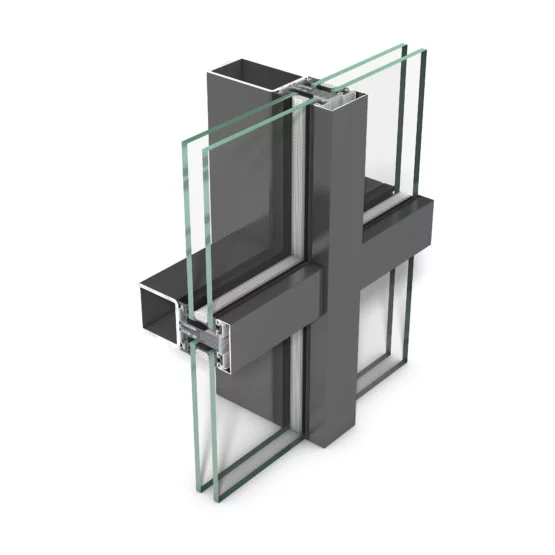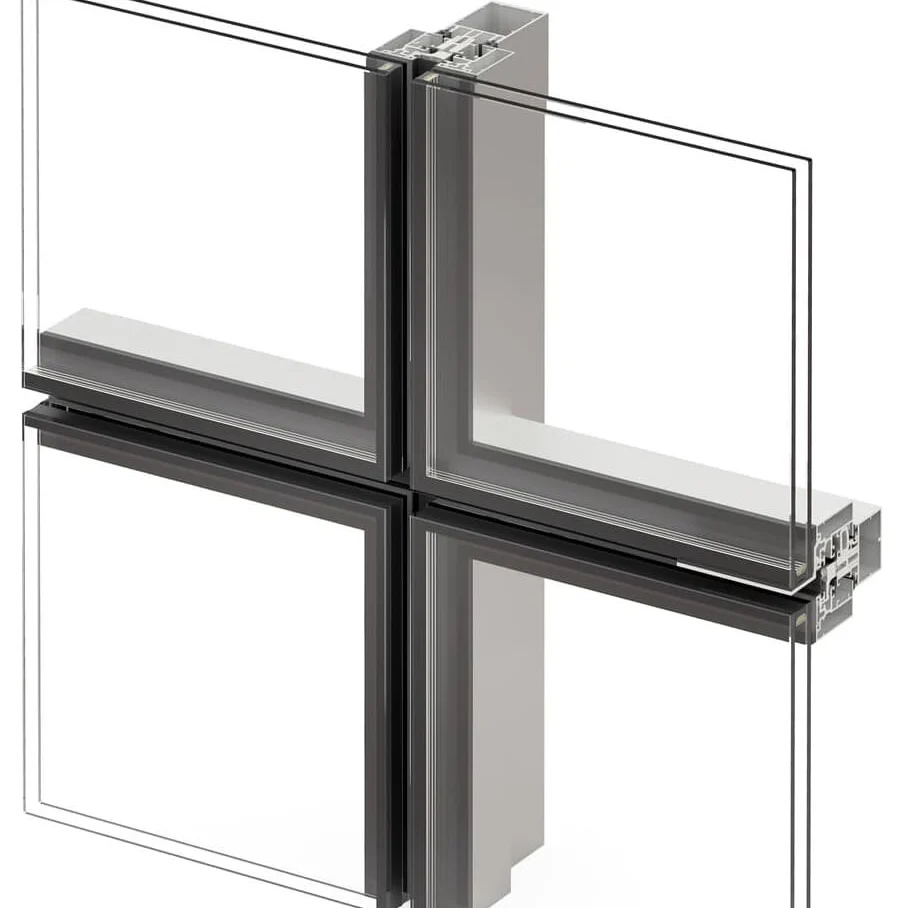

What is a Unitized Curtain Wall? Pros & Cons
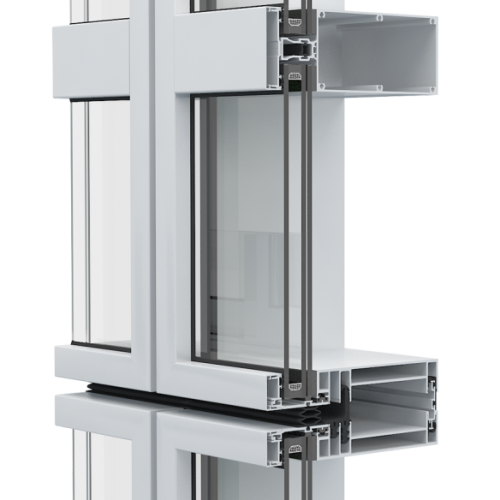
Unitized curtain wall guide: meaning, pros/cons, details, performance, install steps, QA/QC, and sourcing checklist—based on APRO factory experience.
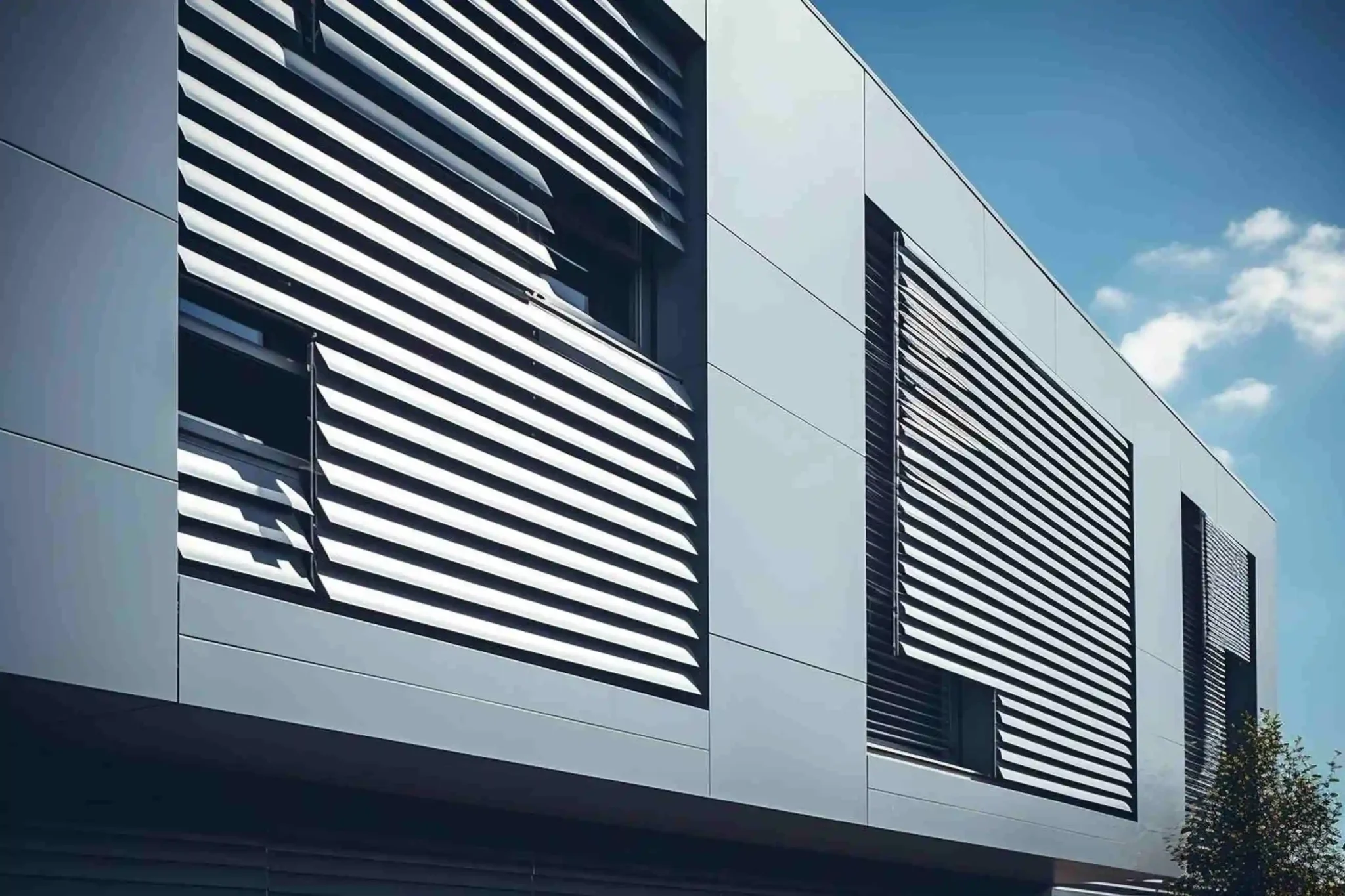
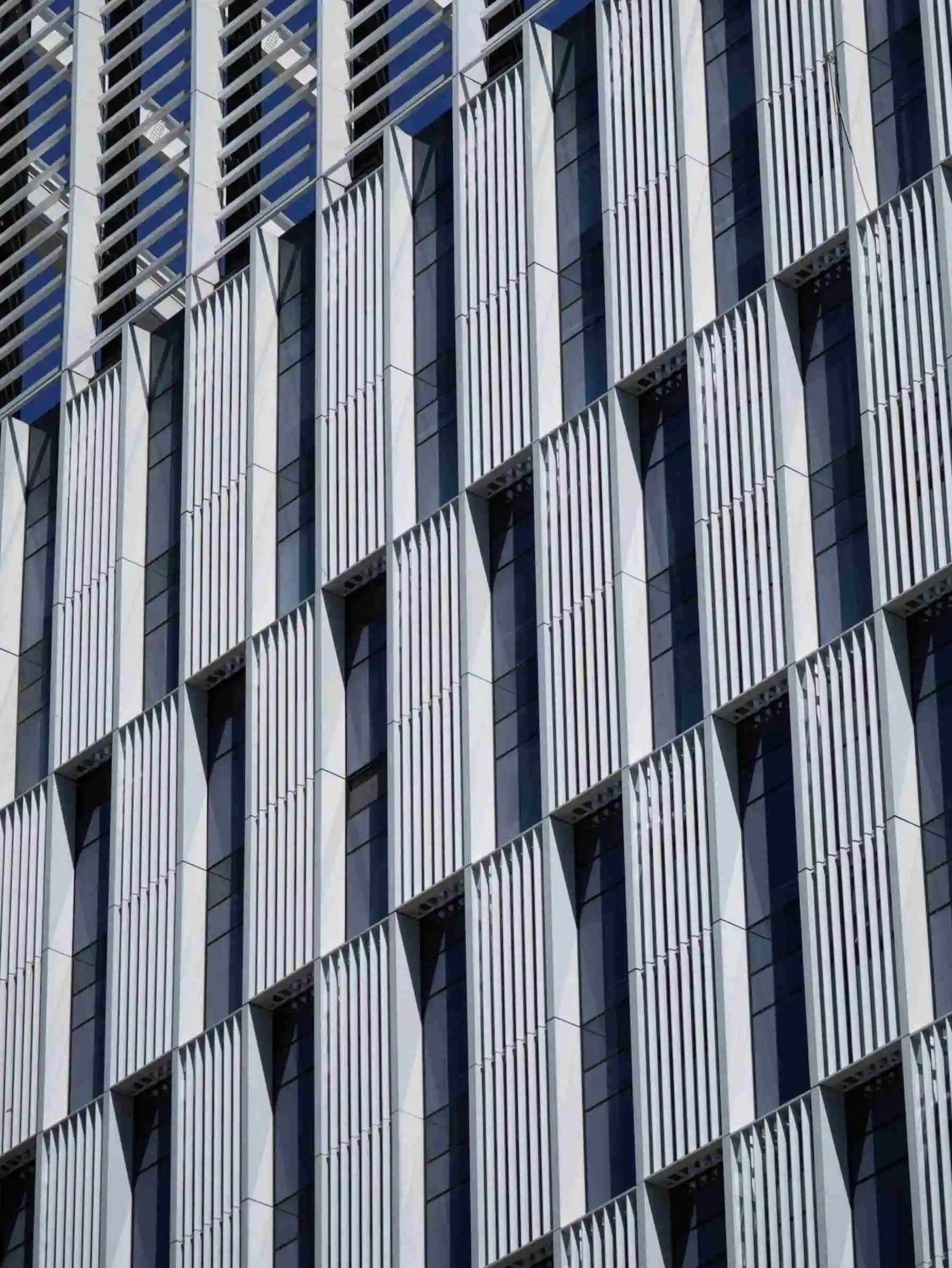
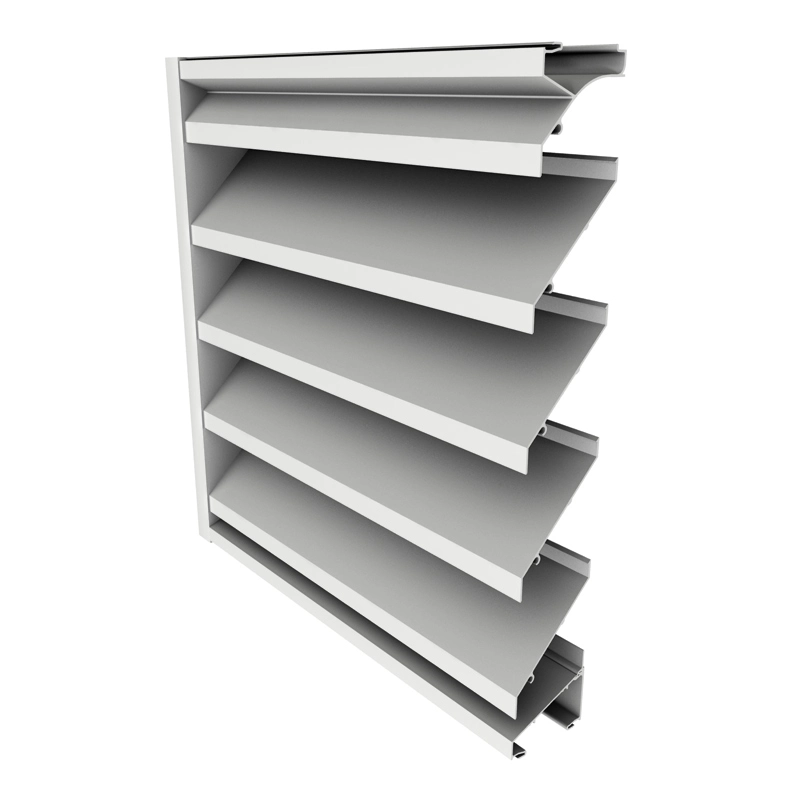
A facade louver is an architectural feature consisting of angled slats or panels that allow airflow and sunlight while providing shade, privacy, and aesthetic enhancement to building exteriors.
Facade Louver System fittings enhance functionality, ensure stability, and provide seamless integration with architectural design.
Customizable blades for varying sunlight and airflow control.
Prevents water or debris infiltration, ensuring durability.
Adds thermal efficiency to the facade system.
Discover the essential steps for installing a facade louver system. Proper installation ensures optimal performance, durability, and aesthetic appeal, helping you achieve the best results for your architectural design.
Measure and clean the installation space.
Secure mounting brackets to the facade.
Place louvers on brackets, ensuring proper alignment.
Tighten all fasteners for stability.
Inspect for alignment and adjust if necessary.
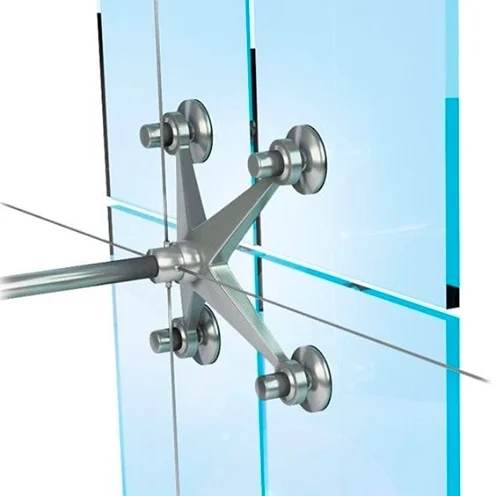
Spider Curtain Walls provide a sleek look for multiple applications, enhancing both aesthetics and functionality:
Yes, facade louvers can be fully customized in terms of size, shape, material, and color. This flexibility allows them to be tailored to specific architectural designs and functional requirements, ensuring they fit the project’s aesthetic and performance needs.
Facade louvers are low-maintenance. Typically, they only require periodic cleaning to remove dirt, debris, and environmental buildup. This makes them a practical solution for both commercial and residential projects, ensuring long-lasting performance with minimal upkeep.
Yes, facade louvers are highly suitable for residential use. They offer benefits like enhanced privacy, reduced solar heat gain, and improved ventilation while adding a sleek, modern aesthetic to home exteriors. They work well in homes, apartments, and villas.
Yes, facade louvers can help reduce external noise by acting as a sound barrier. They are particularly effective in busy urban environments or near industrial areas, providing both noise reduction and improved comfort inside the building.
With proper installation and maintenance, facade louvers can last for decades. High-quality materials like aluminum and steel ensure durability, while their weather-resistant properties protect them from corrosion, extending their lifespan significantly.
Yes, many facade louvers are made from recyclable materials like aluminum and contribute to energy efficiency by reducing the need for air conditioning. Their ability to control sunlight and ventilation makes them an eco-friendly architectural solution.

Unitized curtain wall guide: meaning, pros/cons, details, performance, install steps, QA/QC, and sourcing checklist—based on APRO factory experience.

Standard unitized curtain wall sizes explained: module width/height, frame depth, IGU thickness, joint sizing, tolerances, and case-based sizing plans.

Learn curtain wall glass types and uses: IGU vs laminated vs tempered, Low-E benefits, safety needs, and spec tips for projects

Learn what glass is, how it’s made, and how to choose: tempered, laminated, IGU, Low-E, VLT/SHGC/U-value, plus PO spec tips.

Learn its core definition, key components, performance metrics, drainage/weep details, and how it differs from curtain wall—so you can specify with confidence.

storefront vs window wall explained with clear pros/cons, costs, leak risks, and selection tips—use our decision framework to choose the right system today.
WhatsApp us