
What is a Storefront System? Definition & Function
Learn its core definition, key components, performance metrics, drainage/weep details, and how it differs from curtain wall—so you can specify with confidence.
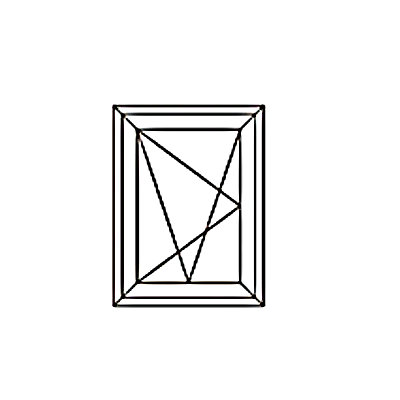
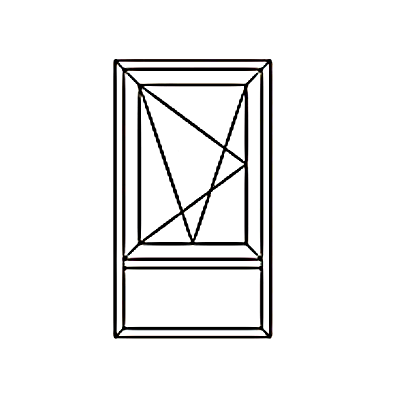
A tilt and turn window is a versatile type of window with dual-opening mechanisms. It can tilt inward at the top for secure ventilation or swing open inward like a door for full access.
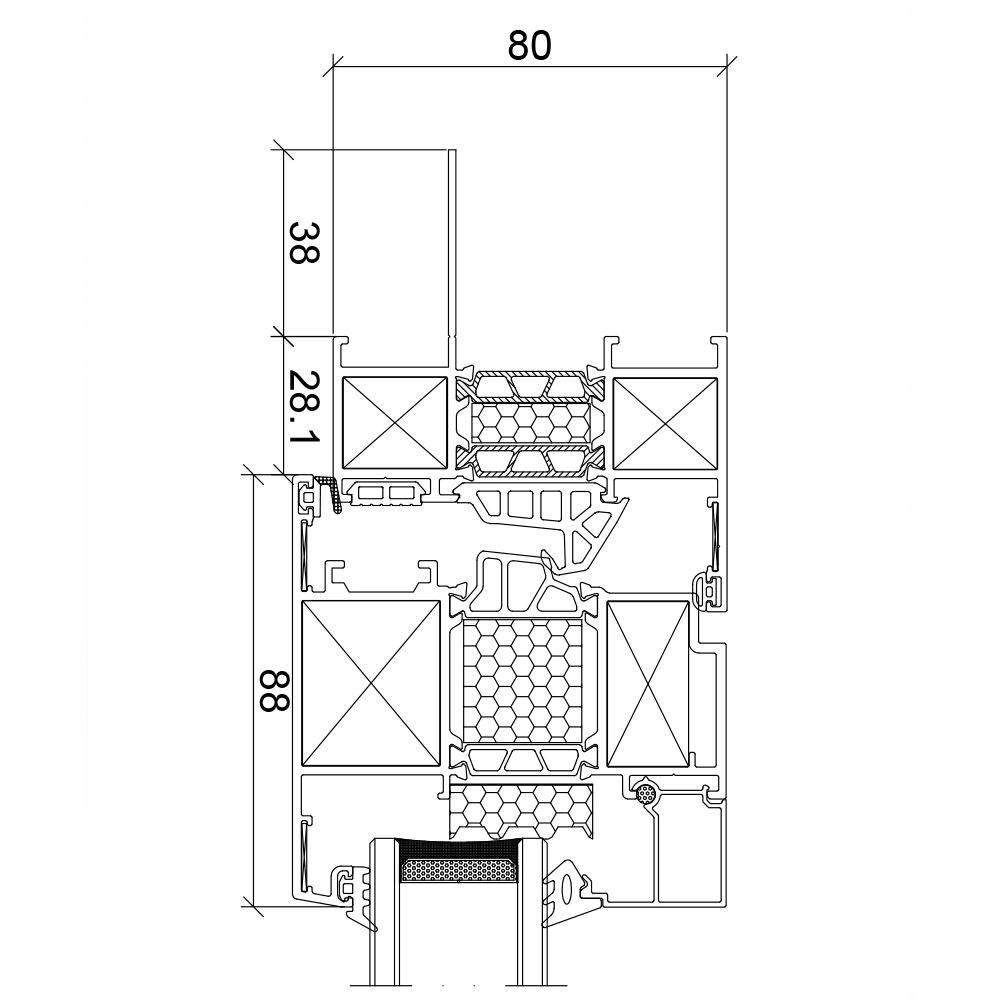
Tilt and Turn Window | Visible Surface | Section Profile Thickness | Size Range | Glass Thickness | Maximum Load-Bearing | |
70 Series | Glass sash|Flyscreen sash | Wall Thickness | Frame Thickness | Width |Height(mm) | 6+12A+6 6+12A+6+12A+6 | 85kg |
73mm|40mm | 2.0mm | 70mm | 500-800|700-1800 | |||
Tilt and turn windows are tested for functionality, durability, and performance. Key areas include ease of operation, thermal insulation, airtightness, watertightness, security, and resistance to wind pressure and external forces.
Tilt and turn window accessories include components designed to enhance functionality, security, and aesthetics. These elements ensure smooth operation, effective sealing, durability, and adaptability to modern design and performance requirements.
To install tilt and turn window, follow the steps below:
Assemble all required tools and wear appropriate protective gear.
Consult authorities for safe handling of lead-based paint.
Ensure the opening is plumb, level, and square.
Measure the window and insert shims for proper alignment.
Place the window, adjust alignment, and secure with fasteners.
Clean the window, insert screens, and verify smooth operation.
Yes, they feature thermal break systems and airtight seals that enhance energy efficiency by reducing heat transfer, keeping interiors comfortable, and lowering energy costs.
Absolutely, they are available in various sizes, colors, and materials, allowing customization to match different architectural styles and personal preferences.
Their inward-opening design allows easy access to both sides of the glass, making cleaning safe and convenient, especially for high-rise installations.
Yes, they are versatile and ideal for residential, commercial, and high-rise buildings due to their functionality, safety features, and modern design.
Yes, the tilt function allows controlled ventilation while maintaining security, and the turn function offers full airflow when needed.
Regular cleaning, lubrication of hinges and locks, and inspection of seals are sufficient to maintain their performance and appearance over time.

Learn its core definition, key components, performance metrics, drainage/weep details, and how it differs from curtain wall—so you can specify with confidence.

storefront vs window wall explained with clear pros/cons, costs, leak risks, and selection tips—use our decision framework to choose the right system today.

A complete guide on China curtain wall procurement. From RFQ and factory audits to ASTM testing, logistics, and onsite supervision. Master your supply chain.

Curtain Wall vs Window Wall: Compare cost, leakage risks, and slab edge details. A complete 2025 guide for GCs to minimize risk & optimize facade budgets.

SDeciding between stick-built vs unitized curtain walls? We compare them across 12 factors—cost, speed—to help you choose the right system for your project.

Types of Curtain Wall Systems for architects and developers: compare visible, hidden frame, spider, louver and unitized facades for your next project.
WhatsApp us