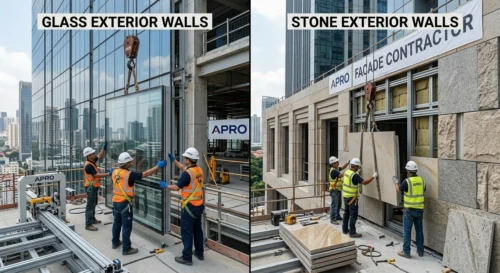

Glass vs Stone Exterior Walls: Which One to Choose
Comparing a glass curtain wall vs stone exterior walls? Uncover 9 crucial differences in cost, durability, and aesthetics. Choose your ideal facade today!
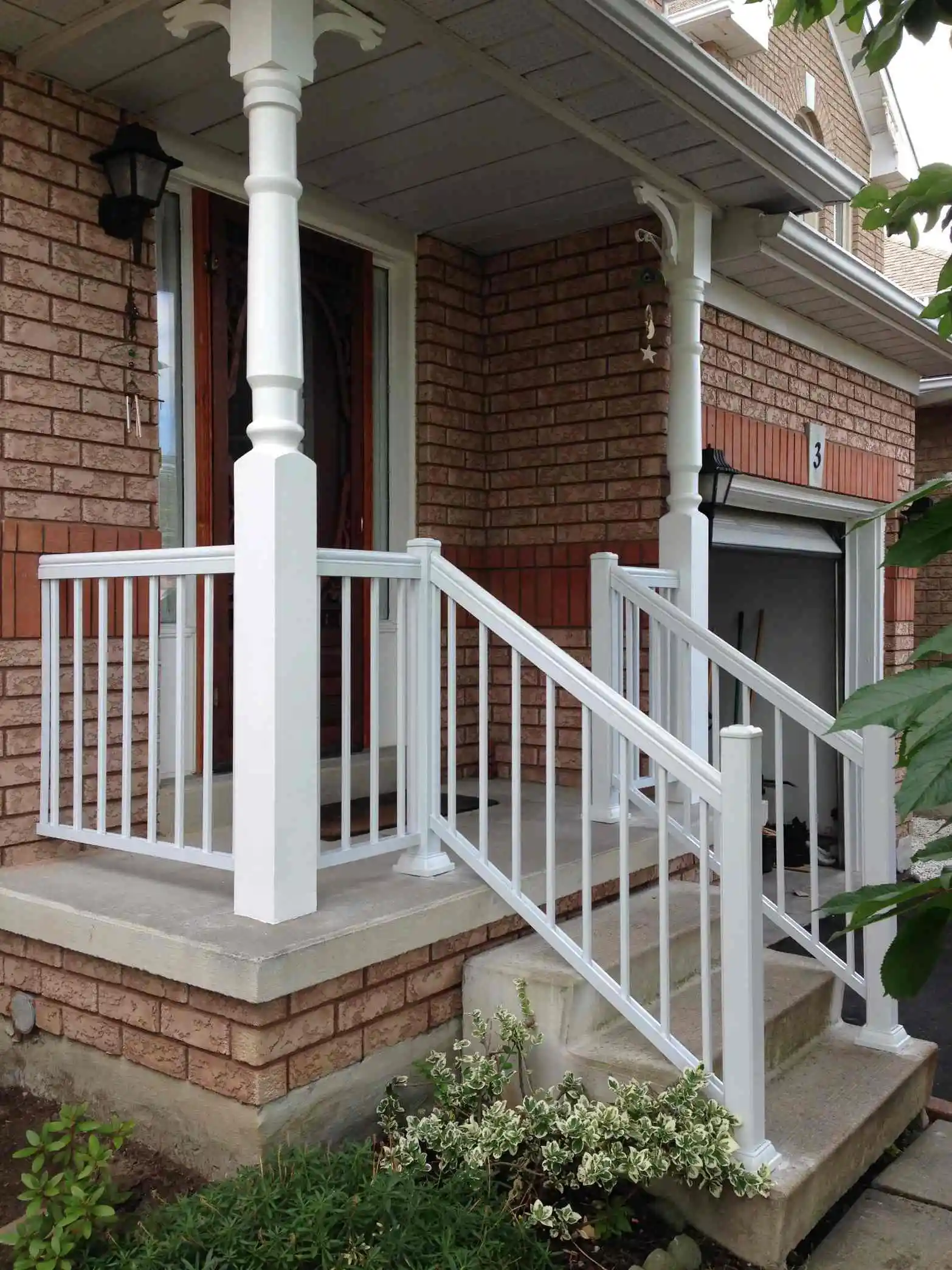
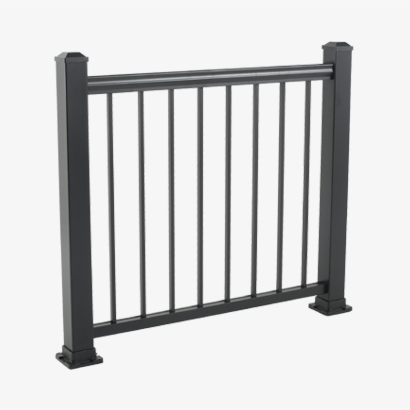
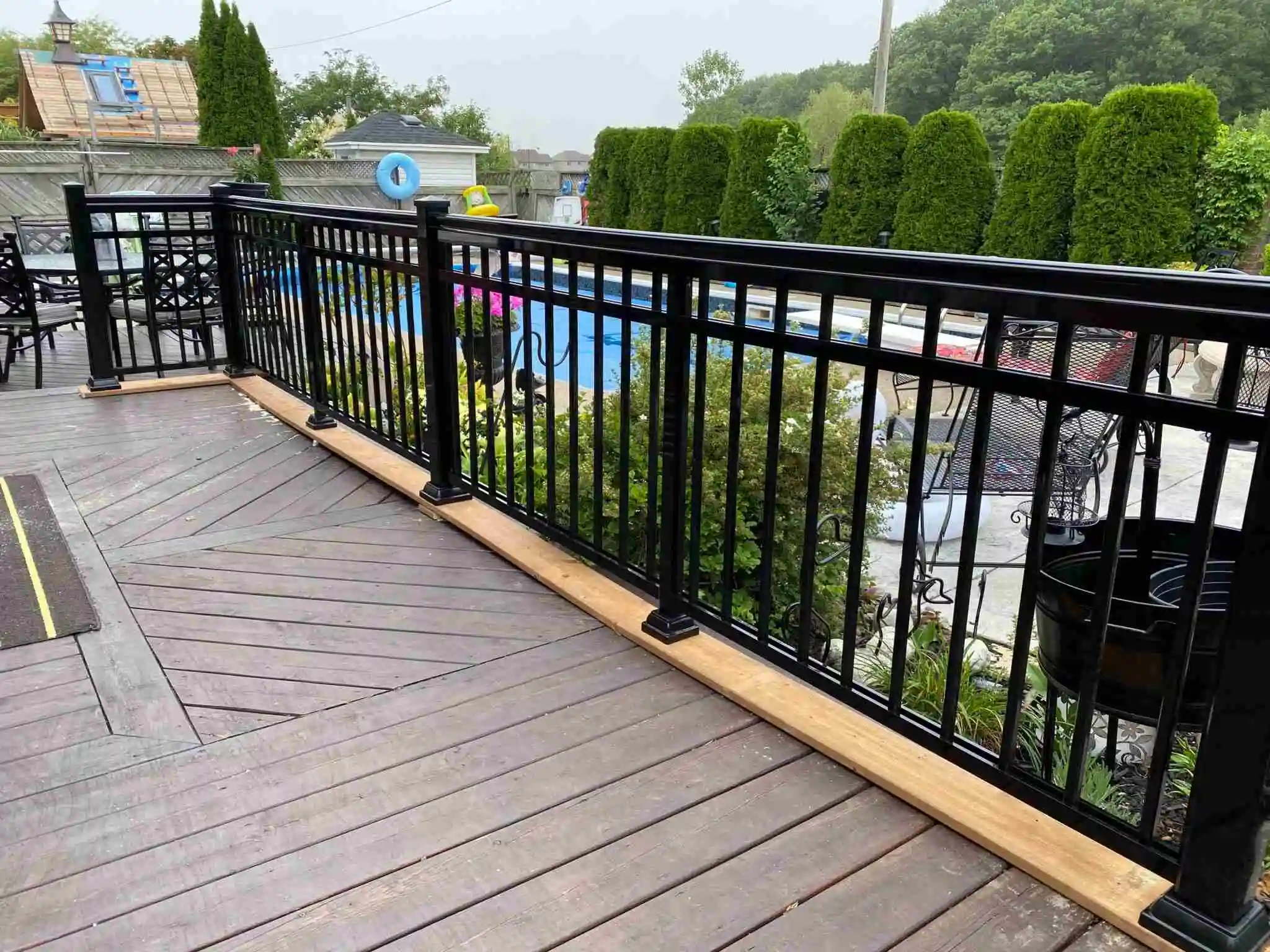
An aluminum railing is a lightweight, durable barrier system made from aluminum, commonly used for decks, balconies, and stairs.
Aluminum railing system fittings ensure secure and stylish installation, offering durability, safety, and aesthetic customization options.
Protect railing ends and provide a clean, finished look.
Join handrail sections seamlessly for a continuous line.
Support posts securely by anchoring them to the ground
Installing aluminum railing is a straightforward process that ensures both safety and aesthetics. Follow these steps carefully for a successful installation.
Mark the spots where posts will be installed precisely.
Secure the post base plates firmly to the deck or floor.
Position and fasten the posts to the base plates securely.
Fasten the horizontal rails between posts, ensuring level alignment.
Place balusters or panels into the slots between rails.
Attach handrails and end caps, completing the railing installation.
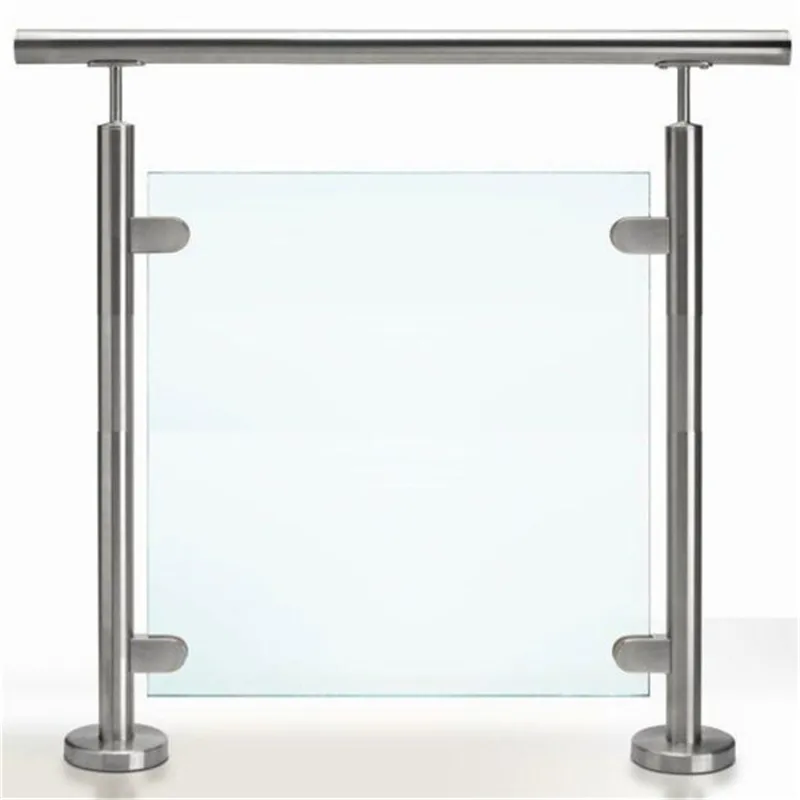
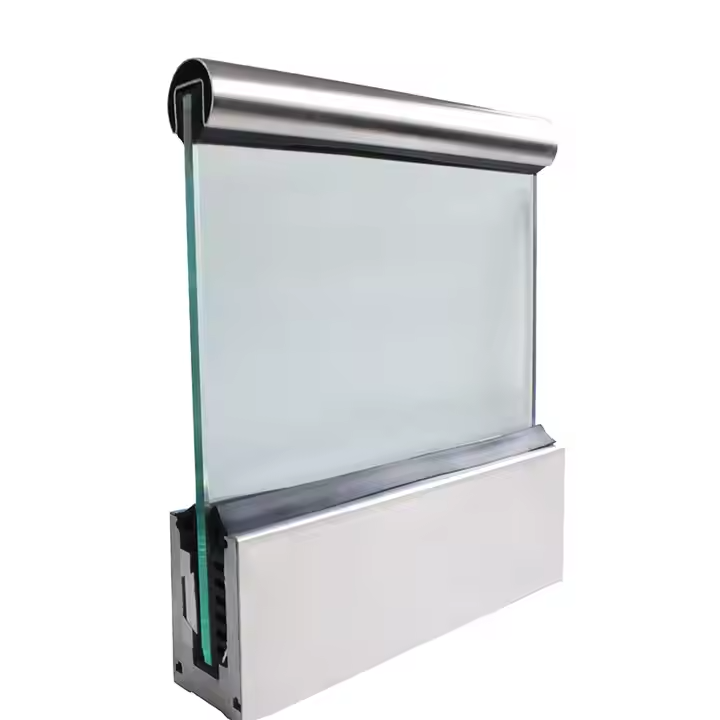
Framed glass partitions offer versatile solutions for various settings, providing stylish, functional divisions without compromising openness and light flow.
Aluminum railings are highly durable, offering long-lasting performance with minimal maintenance. They are resistant to cracking, warping, and fading, making them more durable than wood and competitive with steel.
Yes, aluminum railings are naturally resistant to rust and corrosion, even in humid or coastal environments. This property makes them ideal for outdoor applications compared to materials like steel.
Aluminum railings are versatile and can be used both indoors and outdoors. Their weather resistance makes them particularly suitable for exterior applications like decks, balconies, and staircases.
Aluminum railings perform well in extreme weather conditions, such as heavy rain, snow, and high humidity. They resist rust and corrosion, providing durability in harsh climates without degrading over time.
Yes, aluminum railings can be designed to support glass, cable, or other infill panels. This flexibility allows for a variety of aesthetic options and functional uses while maintaining strength and stability.

Comparing a glass curtain wall vs stone exterior walls? Uncover 9 crucial differences in cost, durability, and aesthetics. Choose your ideal facade today!

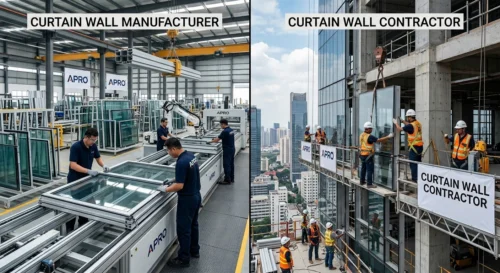
Confused about a curtain wall manufacturer vs contractor? Discover 7 crucial differences, roles, and tips to choose the right facade partner. Read our guide!
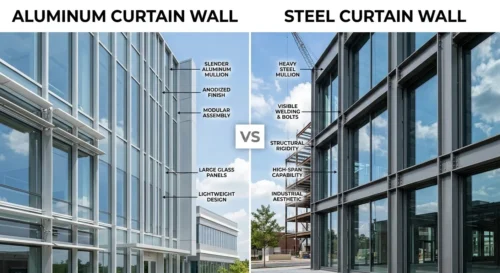
Discover the key differences between aluminum alloy and steel curtain walls. Compare structural strength, thermal performance, and costs for your next project.
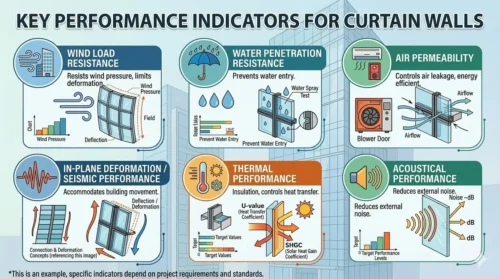
Master curtain wall performance specifications. Discover key metrics for structural safety, weather resistance, and testing to ensure resilient facades.
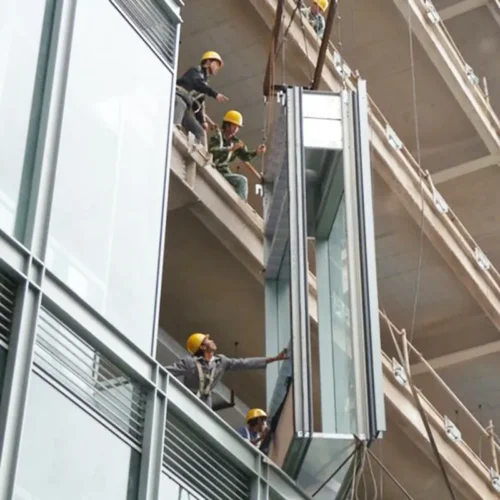

Unitized curtain wall guide: meaning, pros/cons, details, performance, install steps, QA/QC, and sourcing checklist—based on APRO factory experience.
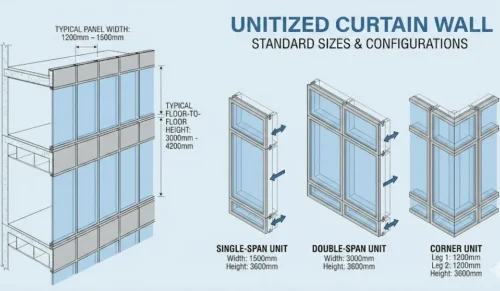
Standard unitized curtain wall sizes explained: module width/height, frame depth, IGU thickness, joint sizing, tolerances, and case-based sizing plans.

WhatsApp us