
What is a Unitized Curtain Wall? Pros & Cons
Unitized curtain wall guide: meaning, pros/cons, details, performance, install steps, QA/QC, and sourcing checklist—based on APRO factory experience.

A pivot door is a large, swinging door that rotates on a central pivot point rather than traditional side hinges. This design allows for smooth operation and creates a bold, modern entrance, often used in contemporary architecture.
We meticulously test pivot doors to ensure they meet high standards of durability, functionality, and design. Each door is assessed for reliability and performance, ensuring it excels in any environment.
Enhance pivot doors with accessories for smooth operation, secure closure, and added durability, maintaining a sleek, modern design.
Follow these steps to install pivot doors:
Verify that the door frame is precisely square, level, and properly aligned.
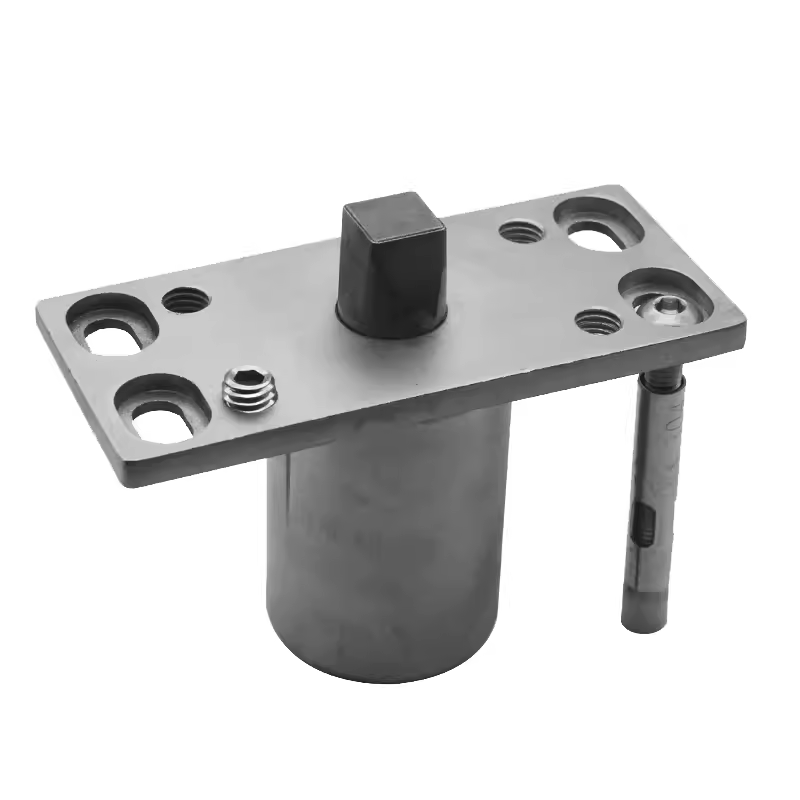
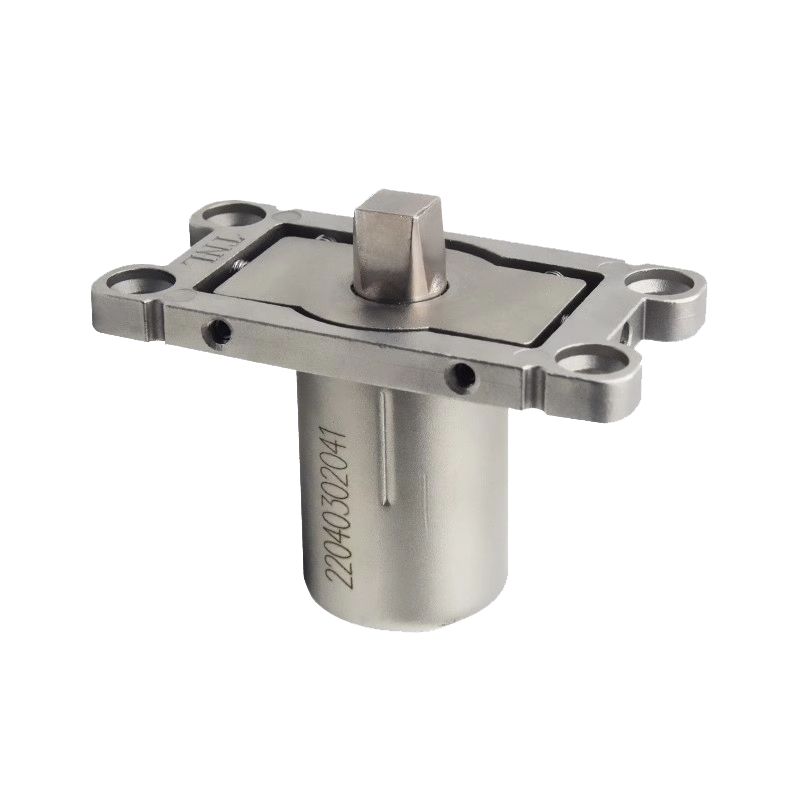
Securely attach the pivot hardware to both the door and the floor/ceiling structure.
Position the door into the pivot hardware and adjust for proper alignment.
Test for smooth operation, then secure all hardware and make final adjustments.
Pivot doors are typically made from materials like wood, glass, metal, and composite materials. Each material offers different benefits, such as wood for warmth and aesthetics, glass for light, and metal for strength.
Yes, pivot doors can be energy-efficient, especially when designed with thermal breaks, insulated glass, and weatherstripping. These features help to reduce heat transfer, maintain indoor temperatures, and improve overall energy efficiency.
Pivot hardware includes top and bottom pivots, center-hung pivots, offset pivots, and pivot hinges. The choice of hardware depends on the door’s size, weight, and design requirements, ensuring smooth operation and stability.
Pivot doors are secure when equipped with strong locks, reinforced frames, and high-quality pivot hardware. Their sturdy construction and weight can provide additional security, making them comparable to, or even more secure than, traditional doors.
Pivot doors offer a wide range of design options, including frameless or framed styles, various finishes, materials like wood, glass, or metal, and customizable sizes. They can also incorporate decorative glass panels, unique shapes, and bold, modern aesthetics.

Unitized curtain wall guide: meaning, pros/cons, details, performance, install steps, QA/QC, and sourcing checklist—based on APRO factory experience.

Standard unitized curtain wall sizes explained: module width/height, frame depth, IGU thickness, joint sizing, tolerances, and case-based sizing plans.

Learn curtain wall glass types and uses: IGU vs laminated vs tempered, Low-E benefits, safety needs, and spec tips for projects

Learn what glass is, how it’s made, and how to choose: tempered, laminated, IGU, Low-E, VLT/SHGC/U-value, plus PO spec tips.

Learn its core definition, key components, performance metrics, drainage/weep details, and how it differs from curtain wall—so you can specify with confidence.

storefront vs window wall explained with clear pros/cons, costs, leak risks, and selection tips—use our decision framework to choose the right system today.
WhatsApp us