
How to Import Curtain Wall from China: 2026 Guide
A complete guide on China curtain wall procurement. From RFQ and factory audits to ASTM testing, logistics, and onsite supervision. Master your supply chain.
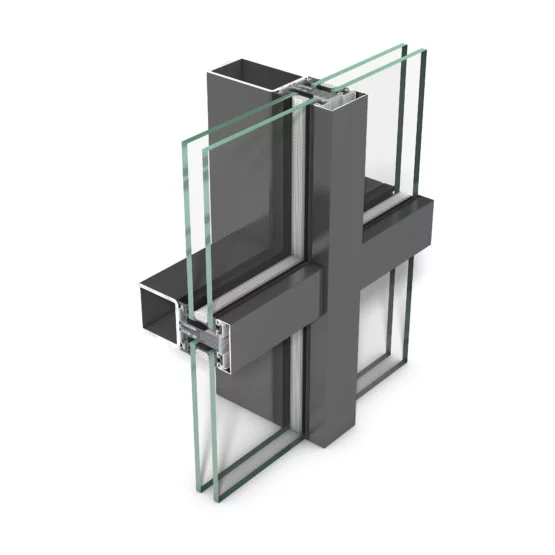
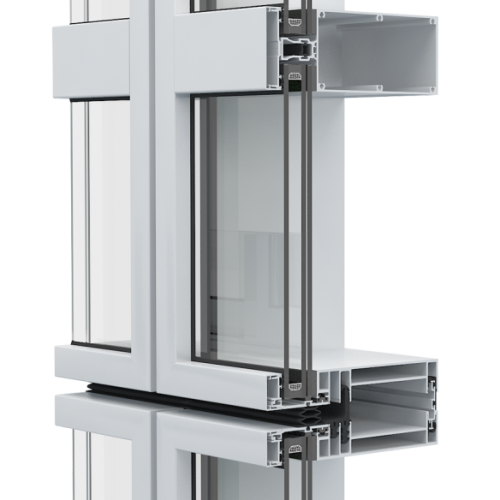
A Semi-Visible Curtain Wall is a glass façade system that combines exposed framing elements with concealed structural components, balancing architectural expression and performance. It highlights clean lines while maintaining strong structural support and efficient building performance.
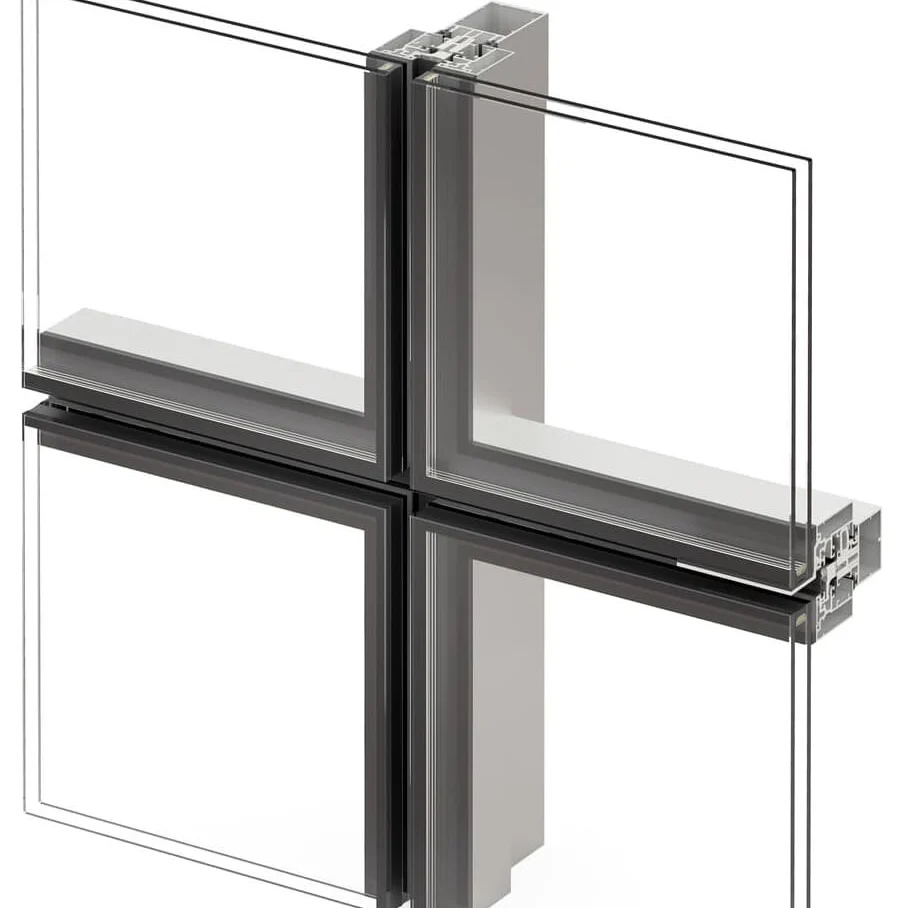
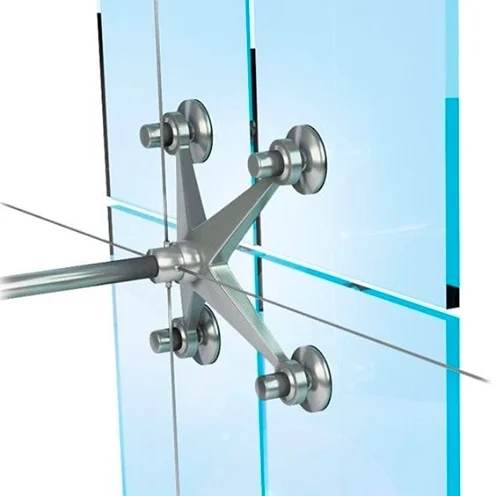
Hidden Frame Curtain Wall accessories ensure secure installation, seamless design, and enhanced structural stability.
Provides structural support and smooth movement for hidden frame curtain wall.
Enhances stability by resisting wind forces on hidden frame curtain wall.
Secures and aligns components of a hidden frame curtain wall.
Facilitates operation and access for hidden frame curtain wall.
Installing a hidden frame curtain wall requires precision for seamless design and optimal structural performance.
Measure and clean the installation area.
Secure brackets for glass support.
Fix fittings to hold the glass.
Place and align glass panels.
Lock panels with clamps.
Apply sealants and gaskets.
Check alignment and sealing.
A hidden frame curtain wall offers a sleek and modern appearance for various applications, enhancing both the aesthetics and functionality of the structure.
A hidden frame curtain wall features frameless glass panels with no exposed metal framing, creating a seamless look, while a visible curtain wall has visible mullions or framing that are part of the design.
Hidden frame curtain walls typically use tempered or laminated glass panels, supported by stainless steel fittings, spider fittings, and brackets. Sealants and gaskets are also essential for weatherproofing and securing the glass.
Yes, hidden frame curtain walls are suitable for high-rise buildings, providing excellent wind resistance, weatherproofing, and a modern aesthetic while allowing for expansive views and maximizing natural light.
Hidden frame curtain walls offer a sleek, frameless design, maximize natural light, provide panoramic views, and improve energy efficiency with insulated glazing. They also enhance the building’s aesthetic appeal with minimal visual obstructions.
Yes, hidden frame curtain walls are safe for large glass installations when using high-strength materials like tempered or laminated glass, along with secure fittings and tension rods to ensure stability and durability.
Glazing options for hidden frame curtain walls include single, double, or triple glazing, low-E glass, and insulated glass units (IGUs) for improved energy efficiency, sound insulation, and thermal performance.

A complete guide on China curtain wall procurement. From RFQ and factory audits to ASTM testing, logistics, and onsite supervision. Master your supply chain.

Curtain Wall vs Window Wall: Compare cost, leakage risks, and slab edge details. A complete 2025 guide for GCs to minimize risk & optimize facade budgets.

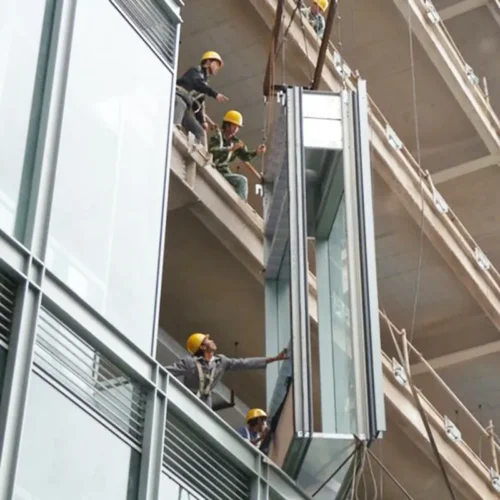
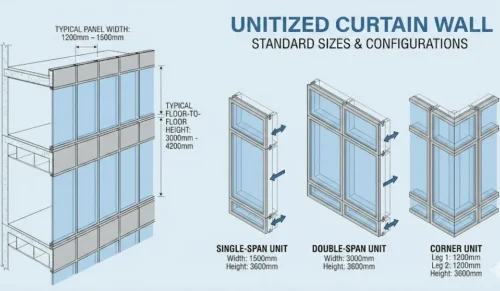
SDeciding between stick-built vs unitized curtain walls? We compare them across 12 factors—cost, speed—to help you choose the right system for your project.

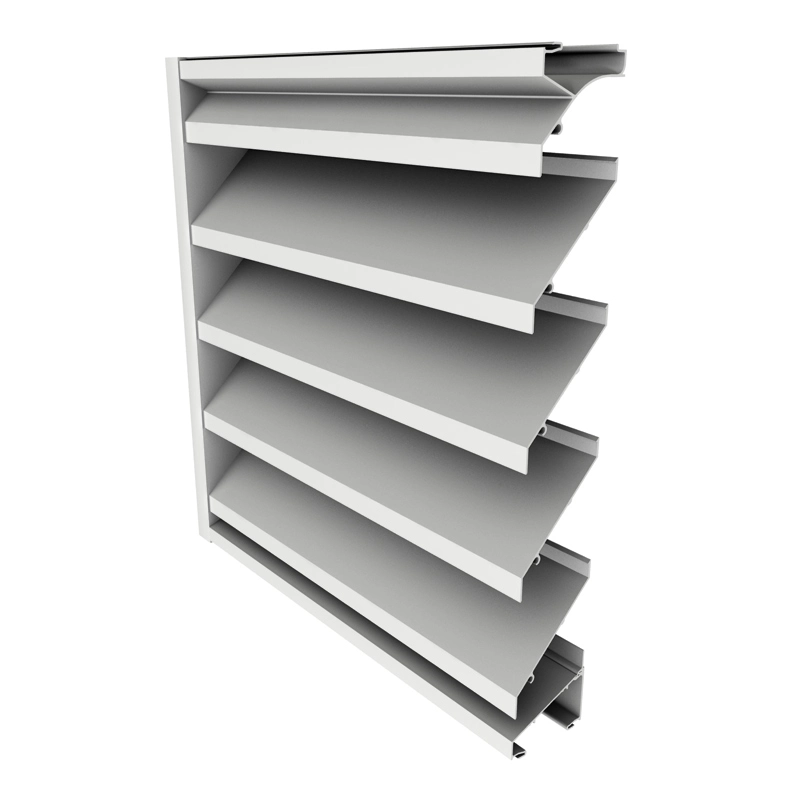
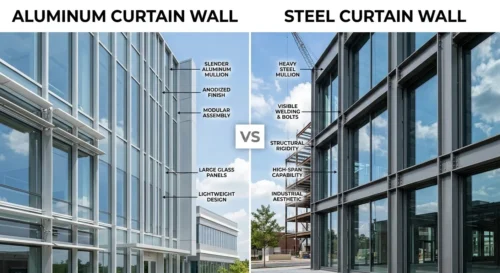
Types of Curtain Wall Systems for architects and developers: compare visible, hidden frame, spider, louver and unitized facades for your next project.

Master the curtain wall system with our 2025 guide. Explore 5 types, costs, and factory pros. Click to optimize your facade now!

Discover the 2025 Top 10 China Curtain Wall Manufacturers. Compare stable giants like Jangho and global experts like Apro for your mega projects.
WhatsApp us