
What is a Unitized Curtain Wall? Pros & Cons
Unitized curtain wall guide: meaning, pros/cons, details, performance, install steps, QA/QC, and sourcing checklist—based on APRO factory experience.

A Spider Curtain Wall is a frameless glass system with spider fittings, providing clear views and durability.
Key Specifications:
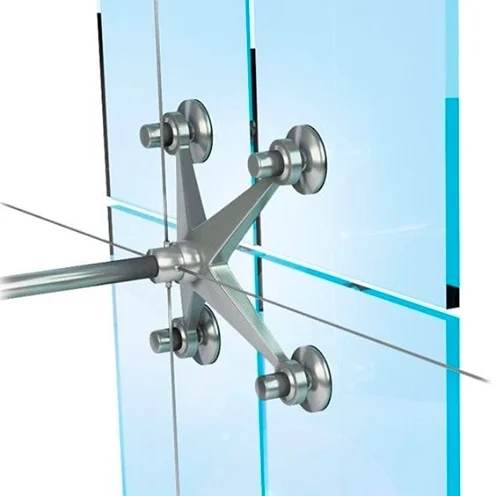
Glass curtain wall spider fittings provide structural support while maintaining a sleek, frameless appearance.
Made from stainless steel or aluminum.
Provides vertical and horizontal framing to support glass panels in spider fitting curtain wall systems.
Provides structural stability and load distribution for the spider curtain wall’s glass and fittings.
Installing a spider curtain wall involves precise engineering and skilled craftsmanship to create stunning, frameless glass facades. Below are the key steps to follow for a successful installation.
Reinforce walls and flooring.
Attach framing members securely.
Connect fittings to mullions.
Align panes within the framework.
Seal gaps and add trim.
Spider Curtain Walls provide a sleek look for multiple applications, enhancing both aesthetics and functionality:
A spider curtain wall is a frameless glass façade system supported by point-fixed spider fittings, offering an unobstructed view and sleek design.
The three types are stick-built, unitized, and structural glass curtain walls, each offering unique assembly and installation methods.
Spider glass is supported by spider fittings that hold the glass panels in place using minimal framing, ensuring structural integrity and transparency.
Curtain walls represent modern architecture’s focus on aesthetics, providing buildings with sleek, frameless glass exteriors that enhance natural light and energy efficiency.
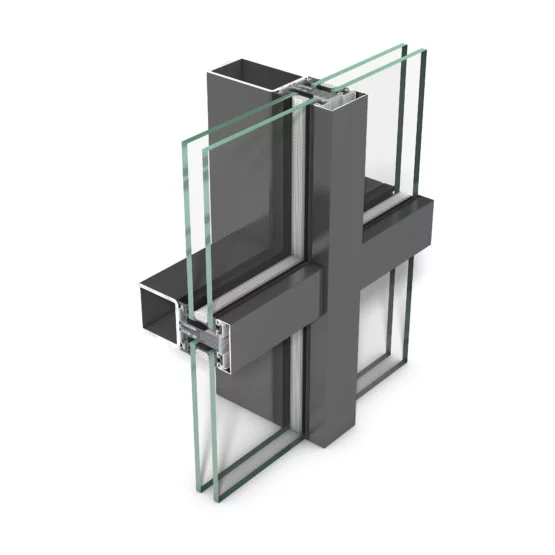
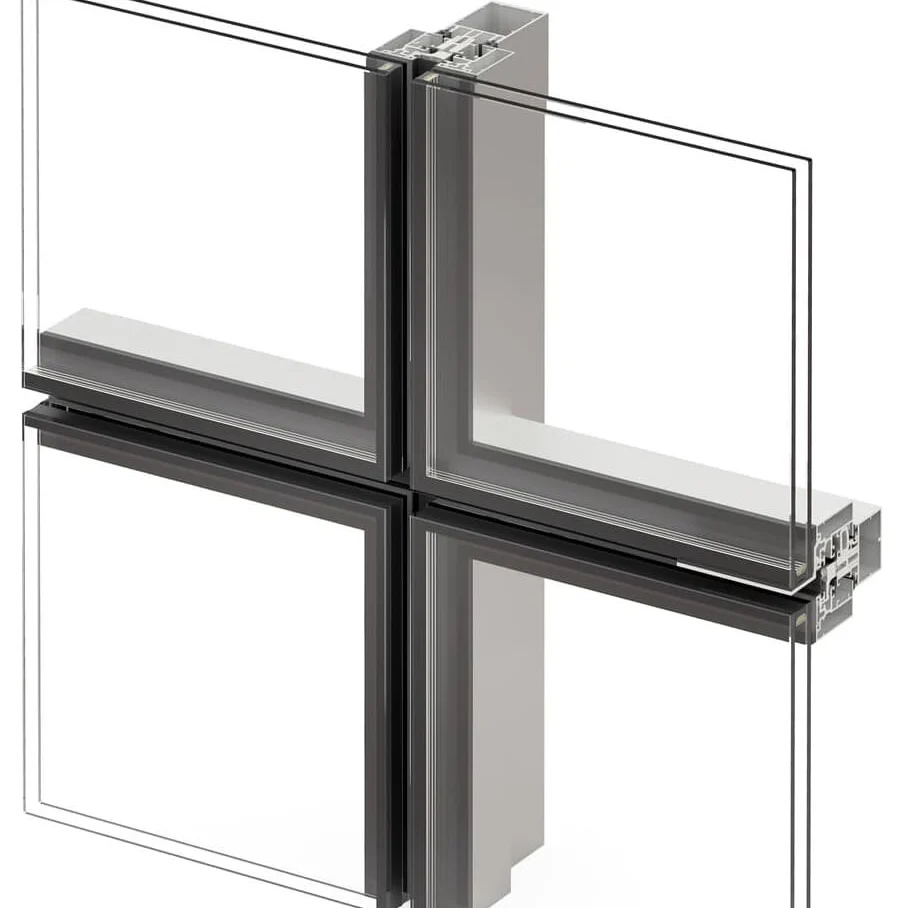
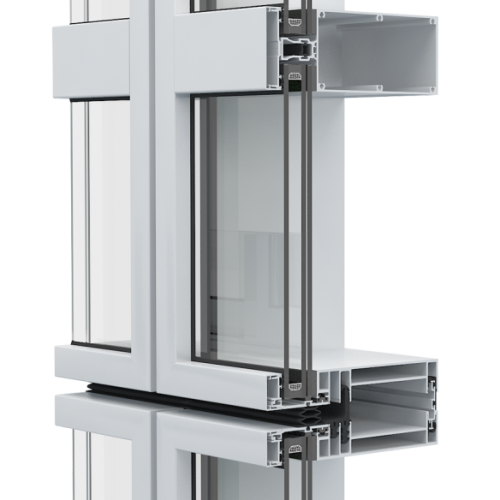
A curtain wall system supports glass panels using a framework of mullions and transoms, transferring loads to the building structure without adding to its weight.
Curtain wall systems typically have a lifespan of 30 to 50 years, depending on materials, maintenance, and environmental conditions.

Unitized curtain wall guide: meaning, pros/cons, details, performance, install steps, QA/QC, and sourcing checklist—based on APRO factory experience.

Standard unitized curtain wall sizes explained: module width/height, frame depth, IGU thickness, joint sizing, tolerances, and case-based sizing plans.

Learn curtain wall glass types and uses: IGU vs laminated vs tempered, Low-E benefits, safety needs, and spec tips for projects

Learn what glass is, how it’s made, and how to choose: tempered, laminated, IGU, Low-E, VLT/SHGC/U-value, plus PO spec tips.

Learn its core definition, key components, performance metrics, drainage/weep details, and how it differs from curtain wall—so you can specify with confidence.

storefront vs window wall explained with clear pros/cons, costs, leak risks, and selection tips—use our decision framework to choose the right system today.
WhatsApp us