
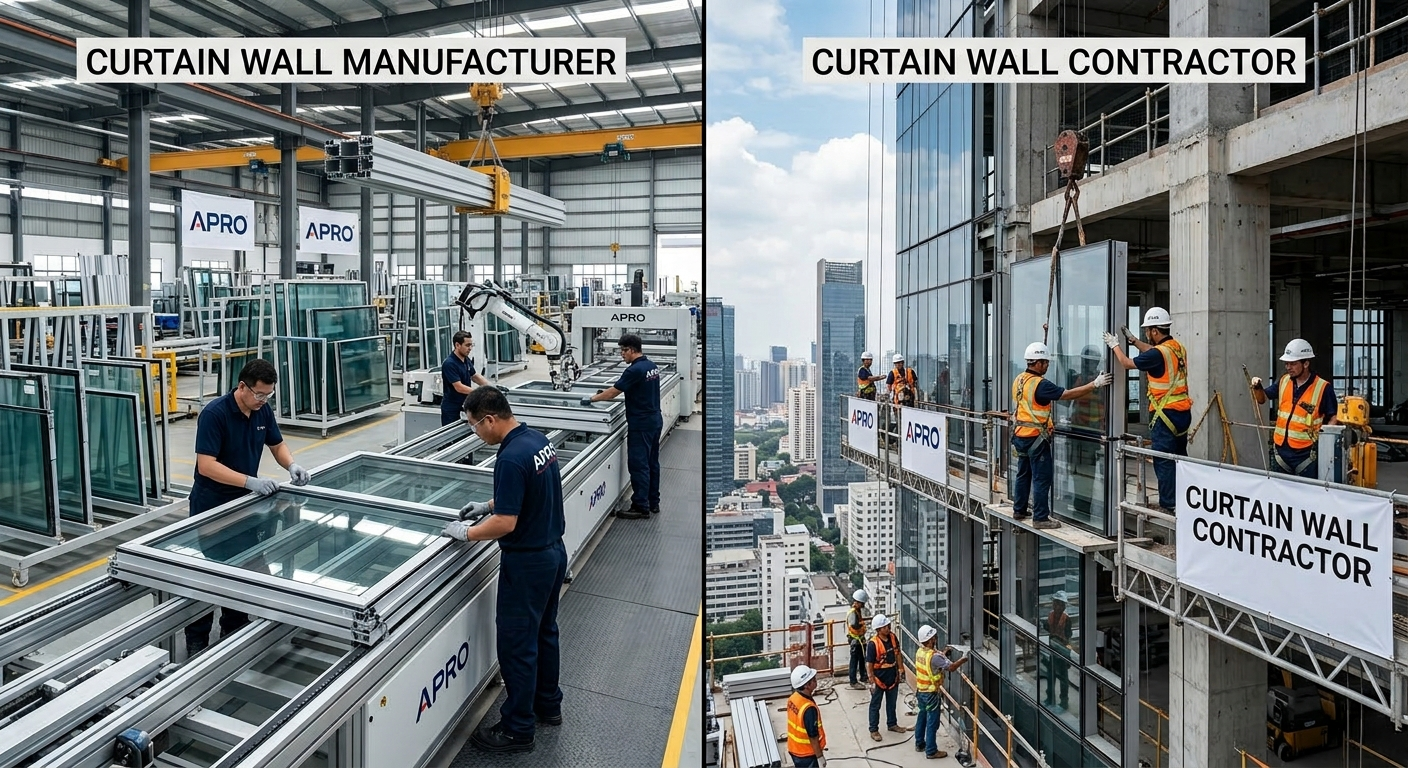

🏢 Das Gebäude-Ensemble: Hersteller vs. Auftragnehmer
Bei der Planung eines massiven gewerblichen Hochhauses oder eines eleganten modernen Bürogebäudes ist die Gebäudehülle wohl die kritischste Komponente. Sie bestimmt die Ästhetik, beeinflusst die Energieeffizienz und schützt das Innere vor der rauen Außenumgebung.
Für Entwickler, Architekten und Projektmanager führt die Beschaffung dieser Gebäudehülle oft zu einer grundlegenden Frage: Was ist der wahre Unterschied in der Dynamik zwischen Vorhangfassaden-Hersteller und –Montagebetrieb?
🔍 Warum dieser Unterschied wichtig ist
Das Verständnis des Unterschieds zwischen einem Fassadenhersteller und einem Bauunternehmer ist nicht nur eine Frage der Branchenterminologie. Es ist eine entscheidende Unterscheidung, die sich auf den Zeitplan, das Budget, die Qualitätskontrolle und die langfristige Haftung Ihres Projekts auswirkt.
In diesem umfassenden Leitfaden werden wir die verschiedenen Rollen, Verantwortlichkeiten und Projektphasen aufschlüsseln, die von jeder Einheit übernommen werden. Wir werden auch untersuchen, wie sie zusammenarbeiten und wie Sie den richtigen Partner auswählen können, um sicherzustellen, dass die Fassade Ihres Gebäudes strukturell einwandfrei, visuell beeindruckend und pünktlich geliefert wird.
🏭 Was ist ein Fassadenhersteller?

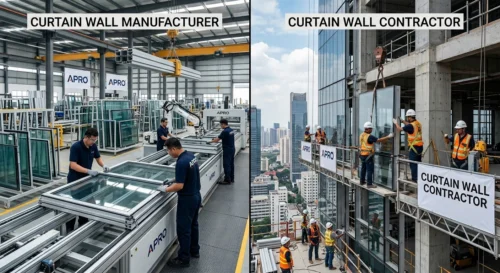
Ein Fassadenhersteller ist die kreative und industrielle treibende Kraft hinter der physischen Erschaffung der Fassade Ihres Gebäudes. Bevor auch nur ein einziges Glasstück Ihr Gebäude berührt, verbringt ein kundenspezifischer Fassadenhersteller Tausende von Stunden mit der Konstruktion, Prüfung und Fabrication der strukturellen Komponenten in einer stark kontrollierten Fabrikumgebung.
Die Hauptverantwortung eines Fassadenherstellers ist die Herstellung und Lieferung von Fassadensystemen, die den spezifizierten Leistungs- und Qualitätsanforderungen von Architekten und Bauherren entsprechen.
Falls Sie sich fragen: “Was macht ein Fassadenhersteller liegt die Antwort in der Präzisionstechnik und Massenfertigung Produktion. Die Hauptaufgabe eines Herstellers von Aluminium-Vorhangfassaden besteht darin, architektonische Zeichnungen in greifbare, strukturell solide und wetterbeständige Fassadenmodule umzuwandeln.
1. Systemdesign und -technik:
Das Ingenieurteam des Herstellers nimmt die Vision des Architekten auf und erstellt detaillierte Werkstattzeichnungen. Sie berechnen Windlasten, Wärmeausdehnung, Eigengewichte und seismische Bewegungen, um die genaue Dicke der Aluminium-Pfosten und die Spezifikationen der Isolierglas-Einheiten (IGUs) zu bestimmen.
2. Materialbeschaffung und Extrusion:
Ein Fassadenhersteller ist für die Beschaffung von Rohmaterialien zuständig. Sie koordinieren mit Aluminiumextrudern, um kundenspezifische Profile (die Stäbe und Pfosten) herzustellen, und beziehen Glas von spezialisierten Glasverarbeitern.
3. Fabrikfertigung (Vorhangfassadenherstellung):
Dies ist der Kern ihrer Verantwortung. Im Herstellungsprozess von Vorhangfassaden schneiden Techniker Aluminiumprofile auf Millimeter genau zu, bohren Entwässerungslöcher, setzen thermische Trennstege ein und montieren die Rahmen. Bei einer vorgefertigten Vorhangfassade verkleben sie das Glas strukturell in den Aluminiumrahmen direkt im Werk, was eine perfekte Dichtmittelauftragung gewährleistet.
4. Qualitätskontrolle und Prototypentests:
Vor dem Beginn der Massenproduktion wird ein zuverlässiger Fassadenanbieter eine visuelle Musterfassade (VMU) und eine Leistungsprüffassade (PMU) bauen. Diese Musterfassaden werden im Labor strengen Tests auf Luftdurchlässigkeit, Wasserdurchdringung und strukturelle Integrität unterzogen.
⚙️ Welche Einrichtungen hat ein Fassadenhersteller typischerweise?
Eine erstklassige Fassadenfertigungsfabrik ist ein Wunder der modernen Fertigung. Sie erfordert eine massive Grundfläche und hochspezialisierte Maschinen, um den Umfang und die Präzision zu bewältigen, die für Fassadensysteme erforderlich sind.
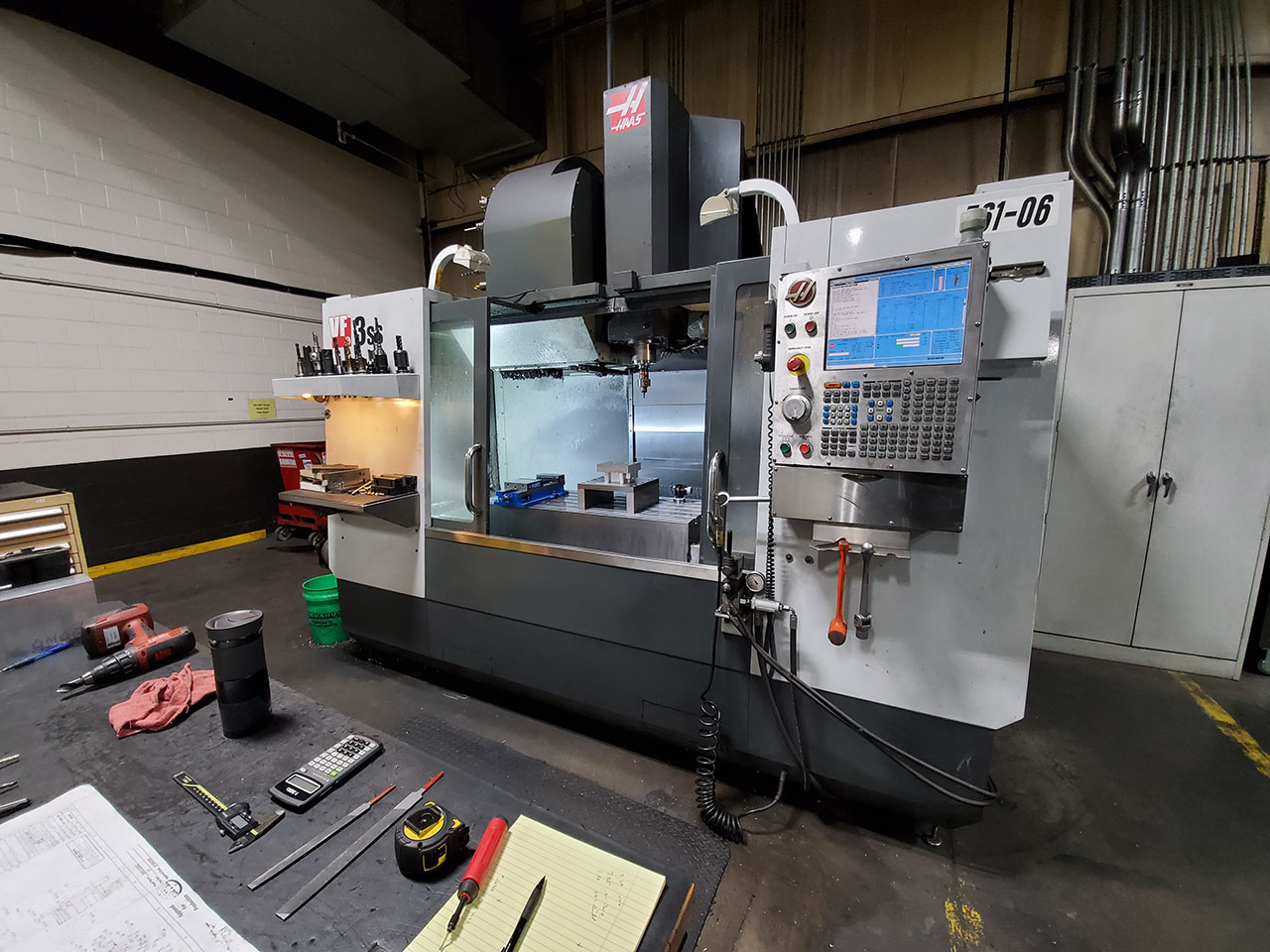
CNC-Bearbeitungszentren:
Computergesteuerte Werkzeugmaschinen (CNC) werden für das Schneiden, Fräsen und Bohren von Aluminiumprofilen mit mikroskopischer Präzision eingesetzt.
Klimatisierte Glasfassadenräume
Für die Verklebung von Glas mit Aluminiumrahmen unter Verwendung von Struktur-Silikon müssen Temperatur und Luftfeuchtigkeit perfekt geregelt werden.
Montagelinien
Lange Förderbandanlagen, auf denen Rahmen montiert, Dichtungen eingesetzt und Beschläge angebracht werden.
Aushärtungsbereiche
Spezifische Zonen, in denen frisch verglaste Paneele ungestört stehen, damit der Silikonkleber seine maximale Festigkeit erreicht.
Prüfkammern
Interne Wasser- und Luftdruckprüfstände zur stichprobenartigen Prüfung von Produktionseinheiten für die Qualitätssicherung.
🔥 Fabrikerlebnis #1: Die strukturelle Silikonkrise meistern
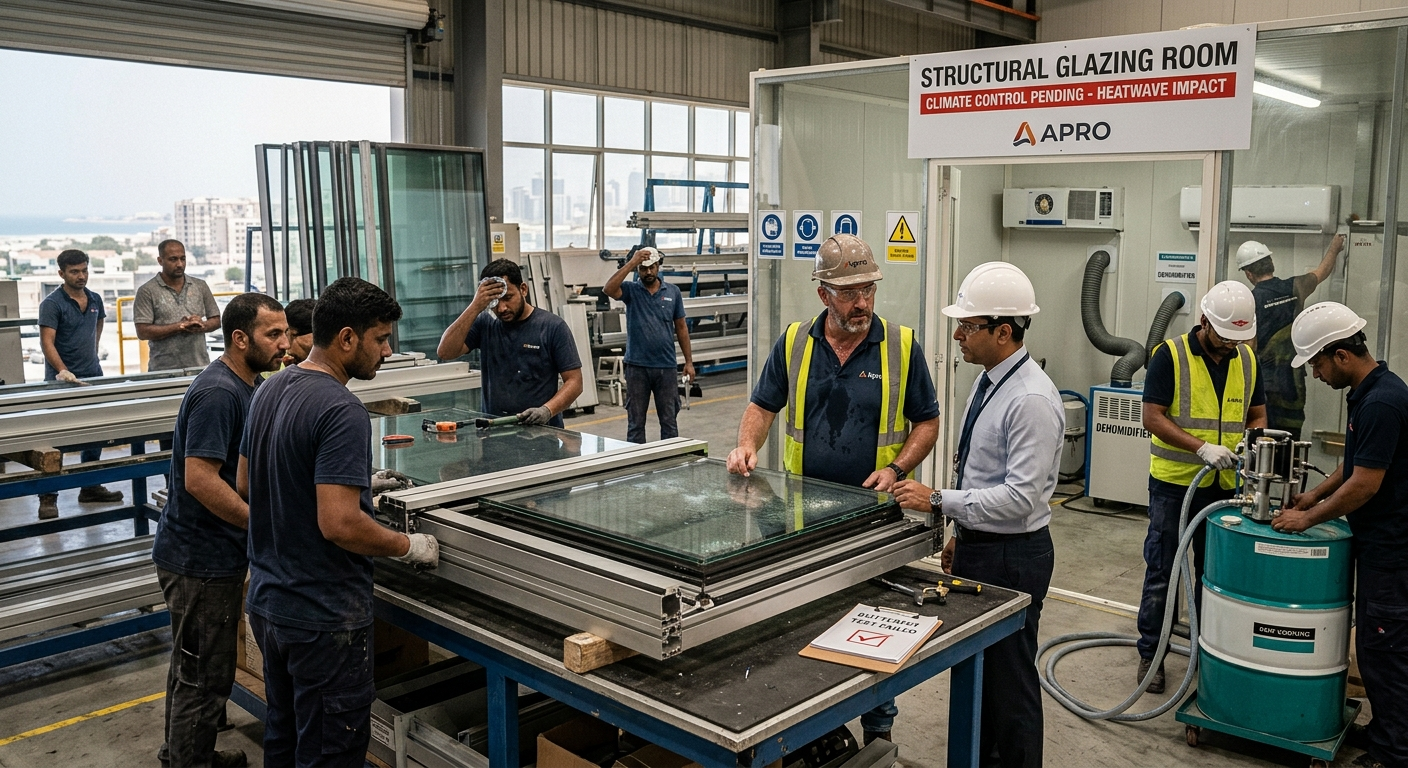
Als erfahrener Produktionsleiter in unserer Vorhangfassaden-Fertigung erinnere ich mich an einen äußerst frustrierenden Moment während der Herstellung einer komplexen modularen Vorhangfassade für einen Küsten-Wolkenkratzer. Es war Mitte Juli, und unsere Region wurde von einer beispiellosen Hitzewelle bei 90% relativer Luftfeuchtigkeit getroffen. Wir verwendeten ein zweikomponentiges Struktur-Silikon, um das schwere Akustikglas mit den Aluminiumrahmen zu verkleben. Die hohe Luftfeuchtigkeit beschleunigte den Aushärtungsprozess des Silikons unvorhersehbar und führte zu einer vorzeitigen “Hautbildung”, bevor das Glas richtig eingebettet war. Die sensorischen Details waren überwältigend – der stechende, essigartige Geruch des Härters vermischte sich mit der schweren, feuchten Fabrikationsluft, und die spürbare Anspannung bei der Montagelinie, als Platte für Platte den “Schmetterlingstest” (eine Qualitätskontrolle für die Dichtmittelhaftung) nicht bestand.
Wir mussten sofort handeln. Wir haben die gesamte Produktionslinie zum Stillstand gebracht, was uns fast 15.000 $pro Stunde an Ausfallkosten bescherte. Mein Ingenieurteam und ich isolierten den Raum für strukturelle Verglasungen. Wir haben die HLK-Anlage aggressiv aufgerüstet, zwei industrielle Luftentfeuchter installiert und die Umgebungstemperatur strikt auf 22 °C (71,6 °F) und 50% Luftfeuchtigkeit eingestellt. Anschließend haben wir die pneumatischen Pumpen der Silikon-Dispensiermaschine komplett gespült und neu kalibriert. Wir luden den Fassadenberater des Kunden ein, die neuen Haftungstests zu beobachten. Indem wir unseren Verglasungsraum in eine hyperkontrollierte Klimablase verwandelten, konnten wir nicht nur den Produktionsplan retten, sondern auch eine Null-Fehlerrate für die verbleibenden 3.000 Paneele erreichen. Die Erfahrung hat mich gelehrt, dass in einer Fabrik die Umweltkontrolle das unsichtbare Fundament für strukturelle Integrität ist.
🏗️ Was ist ein Fassadenbauer?
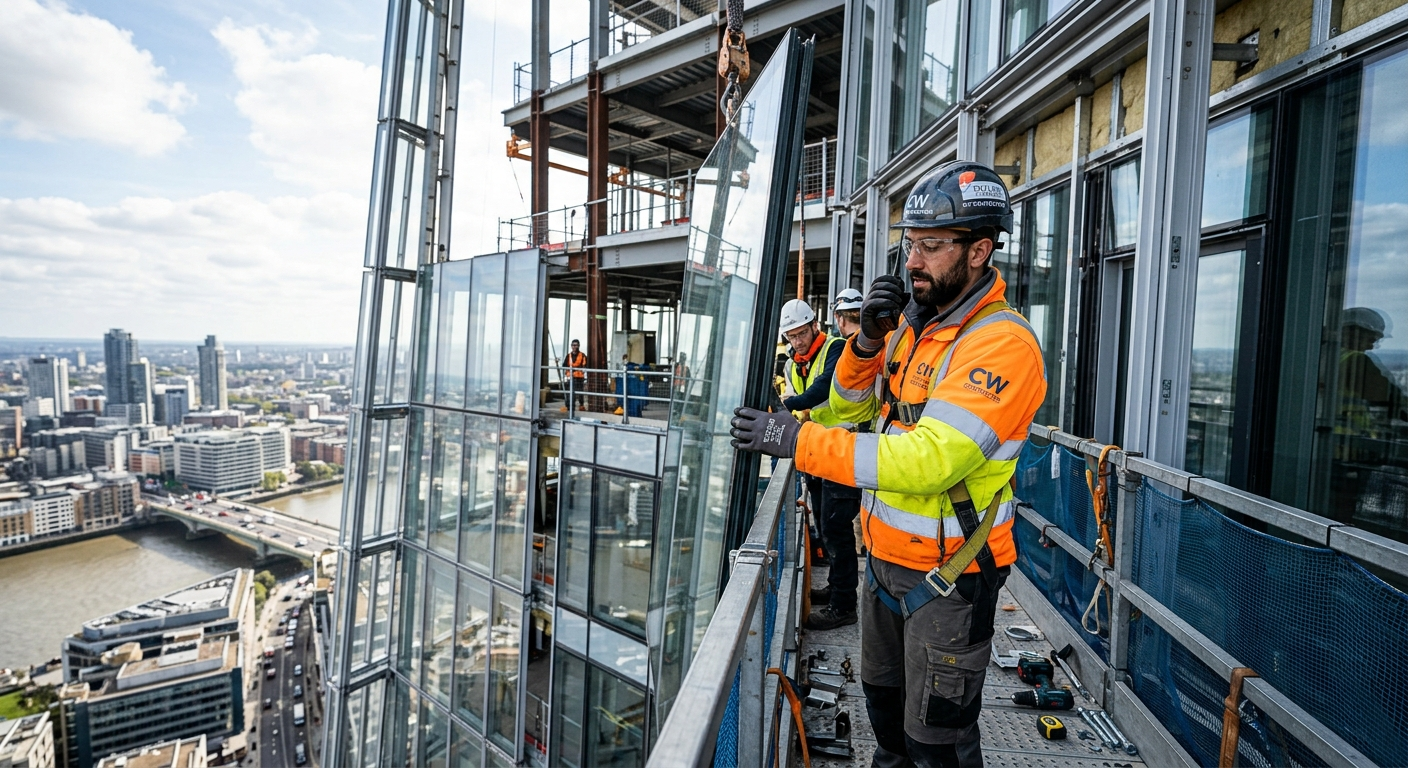
Während der Hersteller das System baut, erweckt der Fassadenbauer es am Gebäude zum Leben. Ein Fassadenbauunternehmer (oder eine Fassadeninstallationsfirma) ist das spezialisierte Bauunternehmen, das für den Empfang, die Handhabung und die Installation der Fassadenelemente direkt am Tragwerk des Gebäudes zuständig ist.
Die Hauptverantwortung eines Fassadenbauunternehmers ist die Installation und Wartung von Vorhangfassaden.
Wenn man fragt “Was macht ein Fassadenbauer?”, verschiebt sich der Fokus von der kontrollierten Innenumgebung auf die chaotische, dynamische Realität einer Baustelle. Der Fassadenbauer ist für Ausführung, Logistik und Arbeitssicherheit verantwortlich.
1. Baustellenerkundung und -vorbereitung
Bevor die Installation beginnt, vermisst die Vermessungsabteilung des Auftragnehmers die Beton- oder Stahlkonstruktion. Gebäudedecken sind selten perfekt gerade oder eben. Der Auftragnehmer muss die genauen Befestigungspunkte festlegen und Einsteckanker oder Einpressschienen mit äußerster Präzision installieren.
2. Logistik und Bereitstellung:
Die Steuerung des Materialflusses ist eine monumentale Aufgabe. Ein Fassadenbauunternehmen muss sich mit dem Hersteller abstimmen, um sicherzustellen, dass die Paneele in der richtigen Reihenfolge ankommen. Sie verwalten das Lager auf einer überfüllten Baustelle und stellen sicher, dass empfindliche Glasscheiben nicht beschädigt werden.
3. Rigging und Heben:
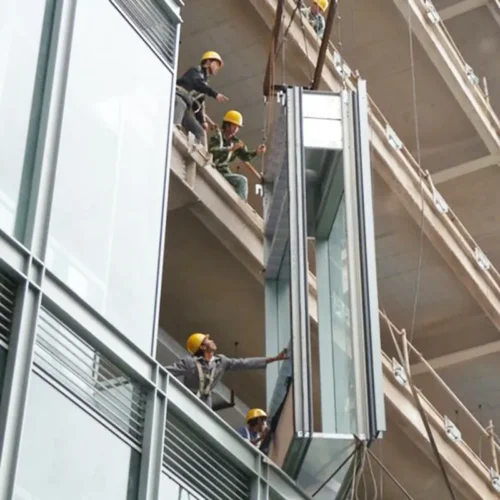
Das ist Schwerstarbeit. Mit Turmdrehkranen, Stockwerkkranen oder Roboterarmen hebt der Fassadenunternehmer Paneele mit einem Gewicht von bis zu 1.000 kg Hunderte von Metern in die Höhe und kämpft dabei gegen Windströmungen und knappe Platzverhältnisse.
4. Installation und Wetterabdichtung:
Die Monteure (Glaser) befestigen die Paneele physisch an den Halterungen des Gebäudes. Bei einem Pfosten-Riegel-Fassadensystem montieren sie die Pfosten, Riegel und Glaselemente Stück für Stück vor Ort. Bei einem Elementfassadensystem verriegeln sie die vorgefertigten Elemente miteinander. Abschließend bringen sie Wetterschutzdichtungen, Brandschutzkeile und Rauchschutzdichtungen zwischen den Etagen an.
🛠️ Welche Einrichtungen und Ausrüstungen hat ein Fassadenbauer typischerweise?
Im Gegensatz zu einem Hersteller, der an eine Fabrik gebunden ist, ist die “Anlage” eines Fassadenbauunternehmens mobil. Ihre Vermögenswerte konzentrieren sich stark auf schwere Maschinen, Takelage und Sicherheitsausrüstung.
Hebegeräte
Turmdrehkrane, Spinnenkrane, Monorail-Flaschenzüge und Vakuumheber, die speziell für die sichere Aufnahme schwerer Glasfassaden entwickelt wurden.
Vermessungsinstrumente:
Totalstationen und 3D-Laserscanner zur präzisen Vermessung des Tragwerks des Gebäudes.
Zugangsausrüstung
Schwingbühnen (hängende Gerüste), Mastkletterbühnen und Hubarbeitsbühnen, um Arbeitern ein sicheres Arbeiten an der Außenseite eines Wolkenkratzers zu ermöglichen.
Lagerungslösungen auf der Baustelle
Maßgefertigte A-Rahmen und wetterfeste Lagergestelle zum Schutz der architektonischen Vorhangfassadenelemente vor der Installation.
Schutzkleidung:
Umfassende Absturzsicherungssysteme, Auffanggurte und Absperrungen zum Kantenschutz, da ihr Team ausschließlich an exponierten Höhenkanten arbeitet.
⚖️ Hauptunterschiede zwischen Herstellern und Auftragnehmern
Um die Dynamik zwischen Fassadenhersteller und Fassadenbauer wirklich zu verstehen, müssen wir sie anhand mehrerer operativer Dimensionen nebeneinander vergleichen.
📊 (Schnelle Vergleichstabelle)
| Vergleichsfaktor | Fassadenhersteller | Fassadenbauer |
|---|---|---|
| Hauptrolle | Konstruktion, Engineering, Extrusion und Montage von Fassadenkomponenten. | Baustellenlogistik, Hebearbeiten, Konsolenmontage und Panelmontage. |
| Arbeitsbereich | Klimatisierte, stationäre Indoor-Produktionsanlage. | Outdoor, wetterabhängig, hochalpine Baustelle. |
| Kernkompetenzen | Mikropräzisionsbearbeitung, Bauingenieurwesen, Supply-Chain-Management. | Rigging, Vermessung, Höhenarbeitssicherheit, Baustellenkoordination. |
| Kernverantwortung | Herstellung fehlerfreier, wettergeprüfter Materialien termingerecht. | Sichere Montage der Fassade im Lot und in der Waage trotz statischer Abweichungen. |
| Leistungsumfang | Von Architektenzeichnungen bis zu fertig verpackten Fassadenpaneelen. | Vom Empfang der Kisten zur endgültigen Silikondichtung am Gebäude. |
| Teamaufstellung | Industriedesigner, CNC-Bediener, Qualitätsprüfer im Werk, Montagebandarbeiter. | Projektmanager, Bauleiter, staatlich geprüfte Glaser, Rigging-Experten, Sicherheitsbeauftragte. |
| Projektphase | Planungs-, Ingenieur- und Fertigungsphase vor Baubeginn. | Aktiver Bau, Gebäudehüllenschließung und endgültige Übergabe. |
| Liefergegenstände | Hergestellte Aluminiumrahmen, Isolierglas-Einheiten oder vollständig montierte Einheitsfassaden. | Eine vollständig umschlossene, wasserdichte und strukturell solide Gebäudehülle. |
| Zusammenarbeit | Basiert auf dem Feedback von Auftragnehmern für Konsolenabmessungen und Lieferreihenfolge. | Verlässt sich auf den Hersteller für pünktliche Lieferung und präzise Panel-Abmessungen. |
🎭 (Hauptrollen)
Hersteller: Der Hersteller fungiert als industrieller Gestalter. Sie betrachten ein Gebäudekonzept und finden heraus, wie es physisch umgesetzt werden kann. Ihr Fokus liegt ausschließlich auf dem Produkt selbst. Die komplexen Details des Wassermanagements (Entwässerungswege innerhalb der Aluminiumprofile), der Wärmebrücken und der Schalldämmung werden in der Designabteilung des Herstellers gelöst.
⭐ Branchenfallstudie:
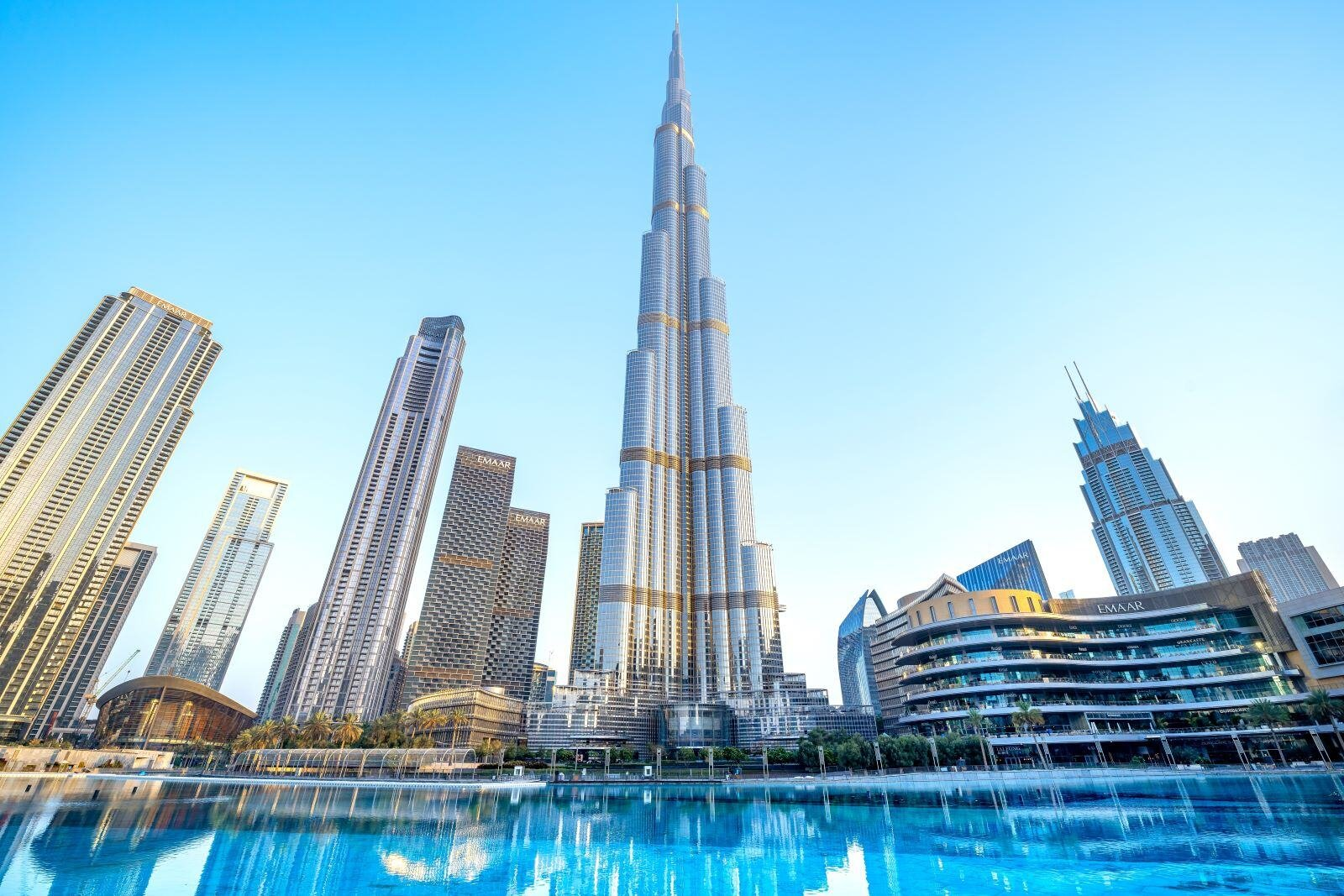
Der Bau des Burj Khalifa in Dubai, des höchsten Gebäudes der Welt, veranschaulicht diese Zusammenarbeit und die damit verbundene Trennung der Arbeitsteilung perfekt. Der Hersteller musste ein maßgeschneidertes Fassadensystem entwickeln, das den extremen Temperaturen der Wüste und den enormen Windlasten in extremen Höhen standhält. Er konstruierte ein System mit über 26.000 handgeschnittenen Glaspaneelen und Aluminiumprofilen. Die Aufgabe des Bauunternehmers bestand darin, neue Hebetechniken zu entwickeln, um diese Paneele sicher in beispiellosen Höhen anzuheben und zu montieren. Der Erfolg des Burj Khalifa war ein Paradebeispiel für die Synergie zwischen anspruchsvoller Fertigungstechnik und Montagelogistik in großer Höhe. Mehr über dieses technische Meisterwerk der Burj-Khalifa-Fassade erfahren Sie auf renommierten Architektur-Websites wie [Website-Name einfügen]. Architectural Record __OPENROUTER_FAILED__.
Auftragnehmer: __OPENROUTER_FAILED__.
📍 (Arbeitsort)
Hersteller: __OPENROUTER_FAILED__.
Auftragnehmer: __OPENROUTER_FAILED__.
🛠️ (Kernkompetenzen)
Hersteller: __OPENROUTER_FAILED__.
Auftragnehmer: __OPENROUTER_FAILED__.
🛡️ (Kernaufgaben)
Hersteller: __OPENROUTER_FAILED__.
Auftragnehmer: __OPENROUTER_FAILED__.
📐 (Leistungsumfang)
Hersteller: __OPENROUTER_FAILED__.
Auftragnehmer: __OPENROUTER_FAILED__.
👥 (Teamzusammensetzung)
Hersteller:
- Fassadenbauingenieure
- CAD/BIM-Zeichner
- Supply-Chain- und Beschaffungsmanager
- CNC-Programmierer und -Bediener
- Produktionsleiter
- QA/QC-Labortechniker
Auftragnehmer:
- Bauprojektmanager
- Sicherheitsbeauftragte vor Ort
- Leitende Vermesser
- Glasermeister (Monteure)
- Kranführer und Anschläger
- Bauleiter
⏳ (Projektphase)
Hersteller: __OPENROUTER_FAILED__.
📄 Branchen-Whitepaper-Zitat: In dieser Phase muss der Hersteller sicherstellen, dass seine Konstruktion strengen internationalen Prüfstandards entspricht. Beispielsweise unterliegt die Prüfung der Wasserdurchdringung den folgenden Vorschriften: AAMA 501-Standard. __OPENROUTER_FAILED__.
Auftragnehmer: __OPENROUTER_FAILED__.
📦 (Liefergegenstände)
Hersteller: __OPENROUTER_FAILED__.
📄 Branchen-Whitepaper-Zitat: Der ultimative Beweis für die vom Hersteller gelieferte Qualität ist die Einhaltung der Normen für die strukturelle Leistungsfähigkeit. ASTM E330-Standard, __OPENROUTER_FAILED__.
Auftragnehmer: __OPENROUTER_FAILED__.
🤝 (Zusammenarbeit)
Hersteller: __OPENROUTER_FAILED__.
Auftragnehmer: __OPENROUTER_FAILED__.
📈 Branchenüblicher Datenstandard: Um die Diskrepanz zwischen Fertigungstoleranzen und den Gegebenheiten vor Ort zu überbrücken, stützen sich beide Parteien häufig auf die von der __OPENROUTER_FAILED__. __OPENROUTER_FAILED__.
🤝 (Wie arbeiten Hersteller und Auftragnehmer zusammen?)
Die Magie einer atemberaubenden Gebäudefassade entsteht, wenn der Lieferant des Fassadensystems und der Montageunternehmer perfekt zusammenarbeiten. Es ist ein bis ins Detail choreografierter Tanz. Schauen wir uns ihre Zusammenarbeit Schritt für Schritt an:
Schritt 1: Das Kick-off-Meeting vor Baubeginn
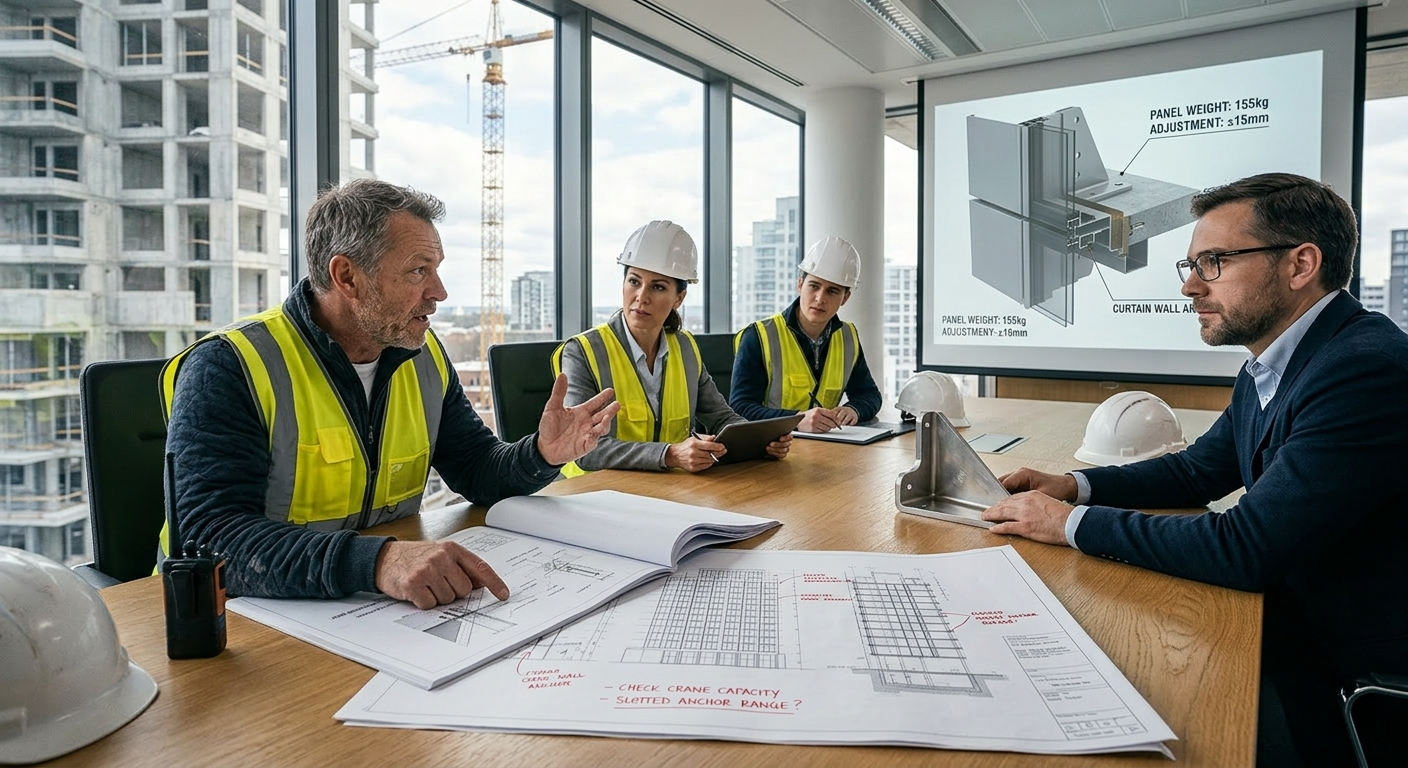
__OPENROUTER_FAILED__“
Schritt 2: 3D-Geländevermessung und Fertigstellung der Werkstattzeichnungen
__OPENROUTER_FAILED__.
Schritt 3: Der Prototyp und die Genehmigung
__OPENROUTER_FAILED__.
Schritt 4: Just-in-Time-Lieferlogistik
__OPENROUTER_FAILED__.
Schritt 5: Feedbackschleife während der Installation
__OPENROUTER_FAILED__.
🏗️ (Wenn ein Unternehmen beides übernimmt: Planung und Bau)
__OPENROUTER_FAILED__.
⭐ Die Vorteile eines einheitlichen Lieferanten:
Einheitliche Verantwortungsstelle:
__OPENROUTER_FAILED__.
Nahtlose Kommunikation:
__OPENROUTER_FAILED__.
Schnellere Zeitabläufe:
__OPENROUTER_FAILED__.
🏭 Werkserfahrung #2: Die Lücke zwischen Baustelle und Werk schließen
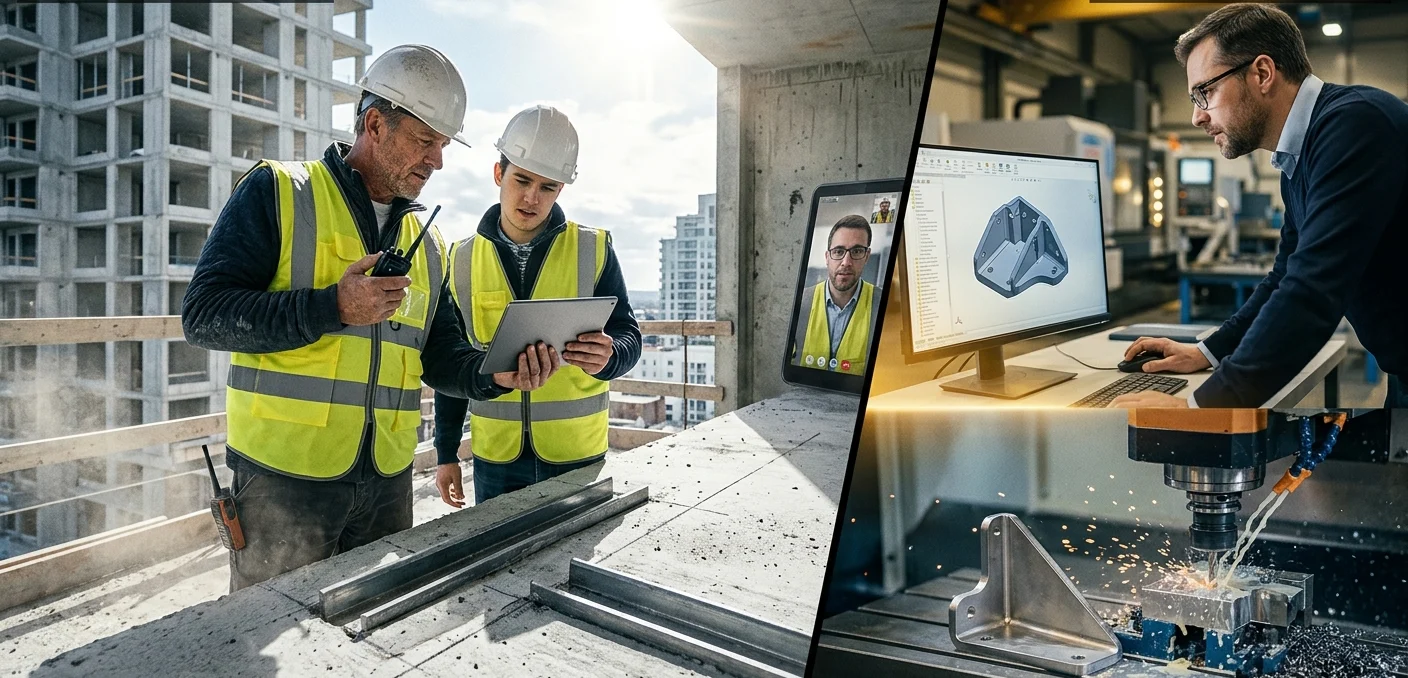
__OPENROUTER_FAILED__.
Stattdessen war die sinnliche Erfahrung an diesem Tag eine schnelle, adrenalingetriebene Problemlösung. Als ich auf dem windigen, sonnenbeschienenen Deck im 8. Stock stand und das angespannte Knistern des Walkie-Talkies hörte, initiierte ich sofort eine Videokonferenz mit unserem Chefingenieur im Werk. Innerhalb von drei Stunden hatte unser Werksteam eine neue asymmetrische Extrusionshalterung mit erweiterten Langlöchern modelliert, um die 15 mm Abweichung auszugleichen. Wir gaben das neue Design noch am selben Abend an die CNC-Maschinen weiter. Um 6:00 Uhr am nächsten Morgen waren die neuen, maßgeschneiderten Halterungen fertig und wurden an die Baustelle geliefert. Die Monteure verpassten keinen einzigen Arbeitstag. Durch die nahtlose vertikale Integration haben wir erfolgreich einen großen Betonfehler aufgefangen. Später in der Woche setzten wir uns mit dem Kunden zusammen und zeigten ihm, wie unser einheitlicher Ansatz ihm geschätzte $200.000 an Verzugsstrafen ersparte. Diese Erfahrung hat mich in meiner Überzeugung bestärkt, dass ein Hersteller, der auch die Installation kontrolliert, nicht nur Produkte liefert, sondern auch Sicherheit bietet.
🤝 (Wie Sie den richtigen Partner für Ihr Projekt auswählen?)
__OPENROUTER_FAILED__.
Schritt 1: Projektumfang und Systemtyp definieren
__OPENROUTER_FAILED__.
Schritt 2: Bewertung der Fertigungskapazitäten des Herstellers

__OPENROUTER_FAILED__.
Schauen Sie sich deren CNC-Maschinen an: Verwenden sie veraltete Handsägen oder moderne, mehrachsige CNC-Fräsmaschinen?
Überprüfen Sie die Sauberkeit: __OPENROUTER_FAILED__.
Kapazitätszahlen erfragen: __OPENROUTER_FAILED__.
Schritt 3: Überprüfen Sie die Sicherheits- und Anschlagmitteldokumentation des Auftragnehmers.
__OPENROUTER_FAILED__.
Fordern Sie deren EMR (Erfahrungsmodifikationsrate) an: __OPENROUTER_FAILED__.
Überprüfen Sie ihre Hebepläne: __OPENROUTER_FAILED__.
Schritt 4: Überprüfung der Zertifizierungen für Entwicklung und Prüfung
__OPENROUTER_FAILED__.
Fordern Sie Testberichte an: __OPENROUTER_FAILED__.
Überprüfen Sie deren Ingenieurteam: Haben sie zertifizierte Bauingenieure fest angestellt oder lagern sie diesen kritischen Schritt aus?
Schritt 5: Finanzielle Stabilität und Kreditwürdigkeit prüfen
Fassadenverträge belaufen sich oft auf zig Millionen Dollar.
- Stellen Sie sicher, dass der Fassadenhersteller über die Liquidität verfügt, um Hunderte von Tonnen Aluminium im Voraus zu kaufen, bevor er seine erste Abschlagszahlung erhält.
- Überprüfen Sie deren Bürgschaftsfähigkeit, um sicherzustellen, dass sie die Tragweite des Projekts rechtlich und finanziell abdecken können.
Schritt 6: Sprich mit ehemaligen Kunden (Der ultimative Lackmustest)
Bitten Sie um Referenzen von Architekten und Generalunternehmern, mit denen sie zusammengearbeitet haben. Stellen Sie diesen Referenzen spezifische Fragen:
“Hat der Hersteller die Materialien pünktlich geliefert?”
“Hat der Auftragnehmer die Baustelle sauber hinterlassen und den abschließenden Wasserschlauchtest ohne Lecks bestanden?”
“Wie sind sie mit Änderungsaufträgen und unerwarteten strukturellen Fehlern umgegangen?”
🏁 (Fazit)
In der hochkarätigen Welt des gewerblichen Bauwesens, der Unterschied zwischen einem Fassadenbauer vs. Generalunternehmer ist der Unterschied zwischen Kreation und Ausführung.
Der Fassadenhersteller ist Ihr fabrikbasierter Ingenieur, der sich auf Präzision, Materialwissenschaft und strenge Tests konzentriert, um den perfekten Baustein zu produzieren.
Der Fassadenbauer ist Ihr Standort-Taktiker, der sich auf Logistik, Sicherheit und schwere Hebearbeiten konzentriert, um diese Blöcke sicher am Himmel zu befestigen.
Ganz gleich, ob Sie sie separat beauftragen oder sich für ein einheitliches Design-Build-Kraftpaket entscheiden, das Verständnis ihrer unterschiedlichen Kernverantwortlichkeiten, Teamzusammensetzungen und erforderlichen Einrichtungen ist von größter Bedeutung.
Durch die Achtung des komplexen Herstellungsprozesses und der gefährlichen, hochqualifizierten Realität der Baustellenmontage können Entwickler und Architekten eine bessere Zusammenarbeit fördern, Risiken mindern und letztendlich eine atemberaubende, wetterfeste Gebäudehülle liefern.
Nehmen Sie sich die Zeit, Ihre Partner anhand der bereitgestellten Schritte zu bewerten, verlangen Sie strenge Teststandards und stellen Sie offene Kommunikationswege sicher.
Die Gebäudehülle ist Ihre erste Verteidigungslinie und Ihr bleibendes architektonisches Erbe – wählen Sie mit Bedacht die Hände, die sie bauen und installieren.
💡 Häufig gestellte Fragen
Ein Fassadenhersteller ist ein Unternehmen, das vorgefertigte Fassadenelemente herstellt.
Ein Fassadenbauer ist ein Industrieunternehmen, das die Aluminiumrahmen und Glaspaneele der Außenfassade eines Gebäudes in einer kontrollierten Fabrikumgebung entwirft, konstruiert und fertigt.
🏗️ Was ist ein Fassadenbauer?
Ein Fassadenbauer ist ein spezialisiertes Bauunternehmen, das für die Logistik, das Rigging und die physische Installation vorgefertigter Fassadensysteme auf der Gebäudestruktur am Bauplatz verantwortlich ist.
Fertigen Vorhangfassadenhersteller Systeme?
Einige stellen die Materialien ausschließlich her und versenden sie an Drittanbieter. Viele große Unternehmen agieren jedoch als Planungs- und Ausführungsbetriebe, was bedeutet, dass sie sowohl die Komponenten in ihrem Werk herstellen als auch vor Ort installieren.
Kann ein Unternehmen sowohl Hersteller als auch Auftragnehmer sein?
Ja. Diese werden oft als schlüsselfertige Fassadenlieferanten oder Fassadenbau-Unternehmen bezeichnet. Dieser Ansatz minimiert Kommunikationsfehler, strafft den Projektzeitplan und bietet einen einzigen Ansprechpartner für die gesamte Gebäudehülle.
Wer installiert Fassadensysteme?
Vorhangfassadensysteme werden von hochqualifizierten gewerkschaftlich organisierten oder nicht gewerkschaftlich organisierten Glasern, Riggen und Eisenlegern installiert, die bei einem Bauunternehmer für Fassadeninstallationen beschäftigt sind.
🎯 So wählen Sie einen Fassadenbauer aus?
Um den richtigen Lieferanten auszuwählen, müssen Sie dessen Produktionskapazität bewerten, dessen bisherige Ingenieur- und Prüfzertifizierungen (wie AAMA und ASTM) überprüfen, die Arbeitssicherheitsakte des Auftragnehmers (EMR) überprüfen und sicherstellen, dass er über die finanzielle Stabilität verfügt, um Ihr spezifisches Projekt in diesem Umfang zu bewältigen.


 German
  English
  Arabic
  Spanish
  French
  Italian
  Japanese
  Korean
  Portuguese
  Russian